
This post contains product affiliate links. These are mainly on items/hotels/tours that I personally endorse & love. I may earn a small commission if you make a purchase, but at no extra cost to you.
Planning to drive in the Yucatán? Read my top tips on hiring a car, avoiding fines, tackling topes, and navigating toll roads like a pro!
I’ve recently just got back from a massive road trip around the Yucatán Peninsula in Mexico and it was incredible in every sense. 3 weeks; 6 different destinations; 1,600 kms of driving. How epic does that sound?
It had pristine paradise beaches, colourful colonial cities, crumbling pyramids hidden deep in the jungle, and some of the tastiest food I’ve ever had in Mexico. From lazing in beach clubs on Isla Holbox, to swimming in secret cenotes in Homun, to exploring the ancient cities of Uxmal and Edzna, this trip really did have it all.
I’ve just written a really comprehensive article all about our 3 week road trip itinerary, so if you’re planning a trip to the Yucatán I suggest reading that guide too. It is packed full of advice and information on where to go and what to do, so it should really help plan your trip here.
This article is all about driving in the Yucatán. This is my third trip driving here, and after clocking up 1,600 kms on this trip, I think I’ve picked up a fair few tips on what to do (and importantly what not to do ). So, if you’re looking for some advice on what it’s actually like driving in Mexico, this is the article for you.
Contents:
Our route around the Yucatán
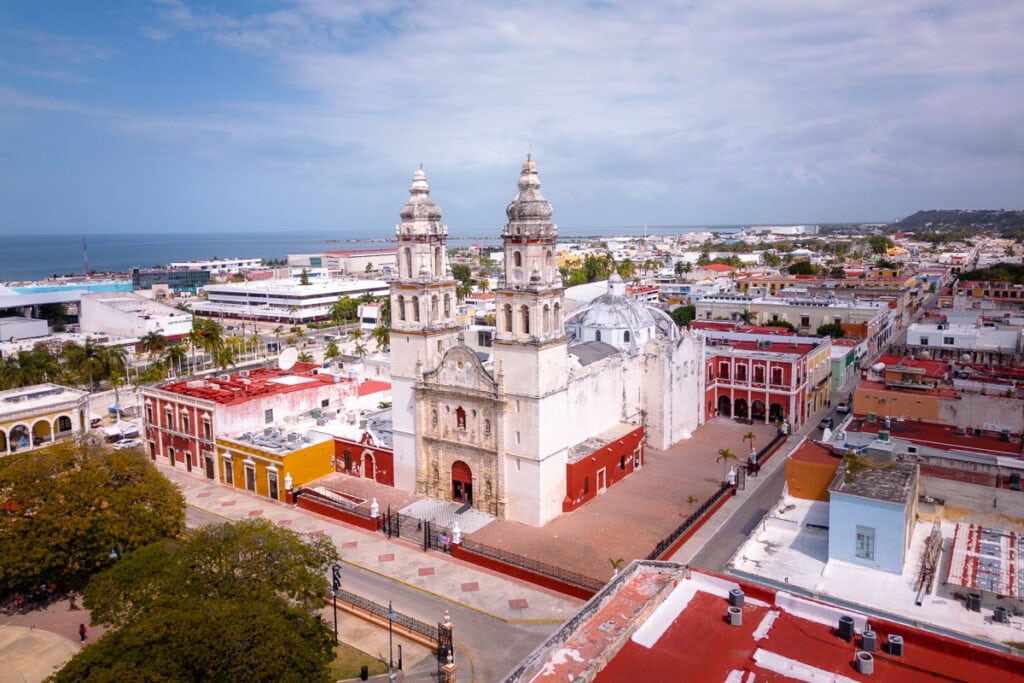
When we were planning our trip to the Yucatán, I really wanted it to be a circular route. Personally, I don’t like doubling back on myself and covering the same ground. A lot of itineraries will include places like Holbox and Valladolid, but they then double back to Cancun to get south. I love exploring new places, so I wanted to visit gems like Campeche which is a bit more out the way.
This is what our itinerary looked like. This is essentially a circular route going counter-clockwise. As I said, this was essentially 1,600 kms.
Cancun > Isla Holbox > Mérida > Campeche > Bacalar > Tulum > Cancun (home)
- Cancun – 3 days
- Isla Holbox – 5 days
- Mérida – 3 days
- Campeche – 3 days
- Bacalar – 4 days
- Tulum – 3 days
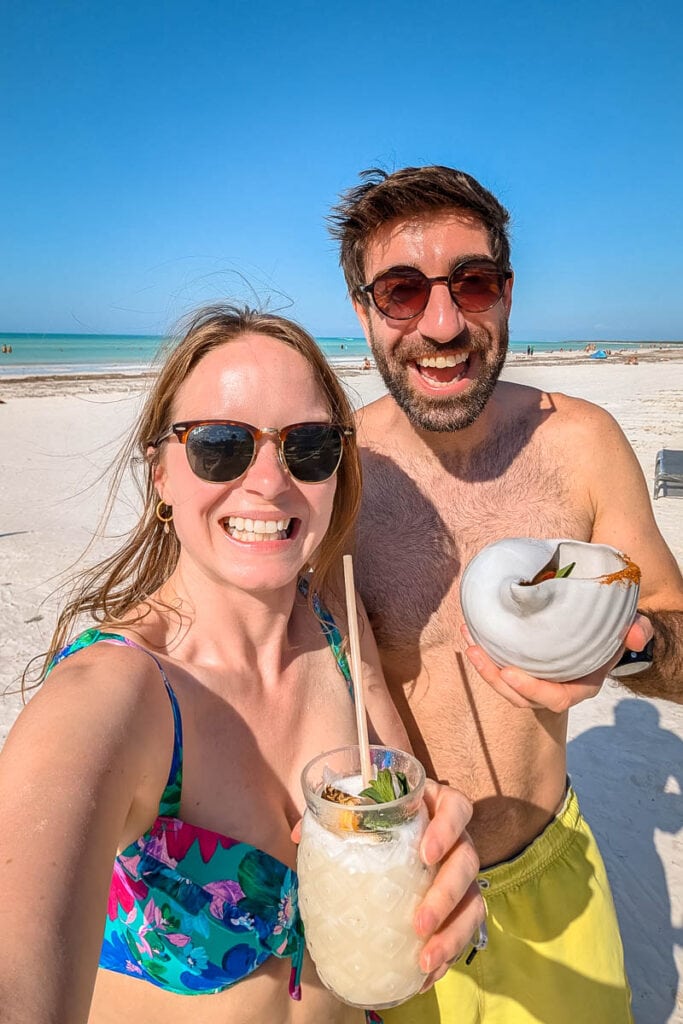
We spent the most time in Holbox because it is one of our favourite places in the world. We first came here 8 years ago, and it’s still one of the dreamiest places to visit in Mexico.
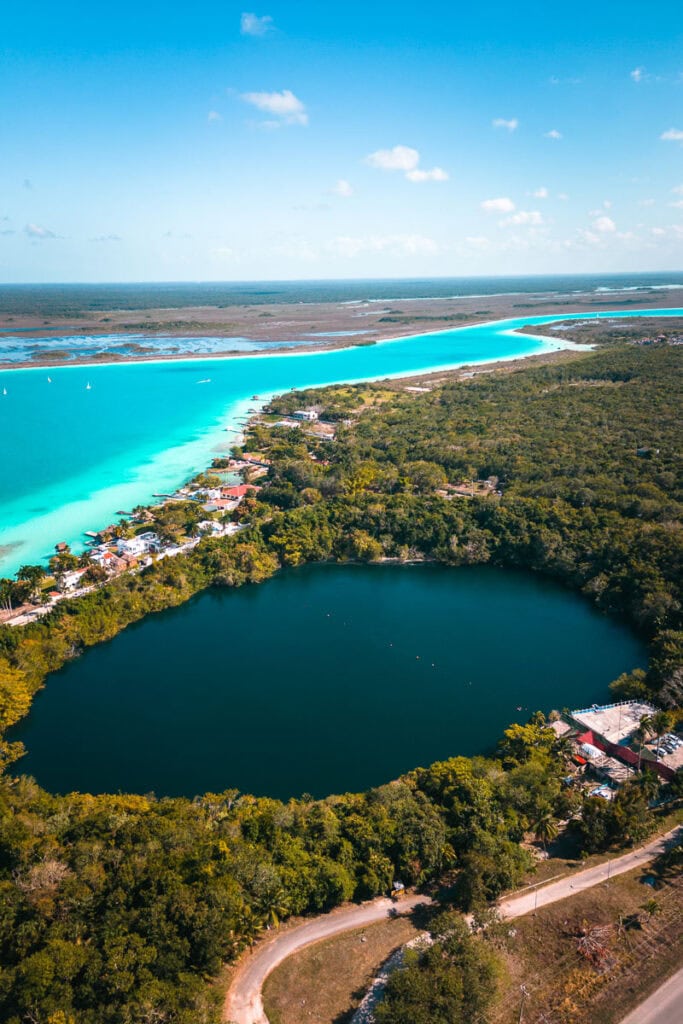
For me, I absolutely loved Bacalar. It’s now my new favourite destination in Mexico and I easily could’ve spent longer there. When you see the colour of the water you’ll understand why!
Yucatán driving tips
Hiring a car in the Yucatán
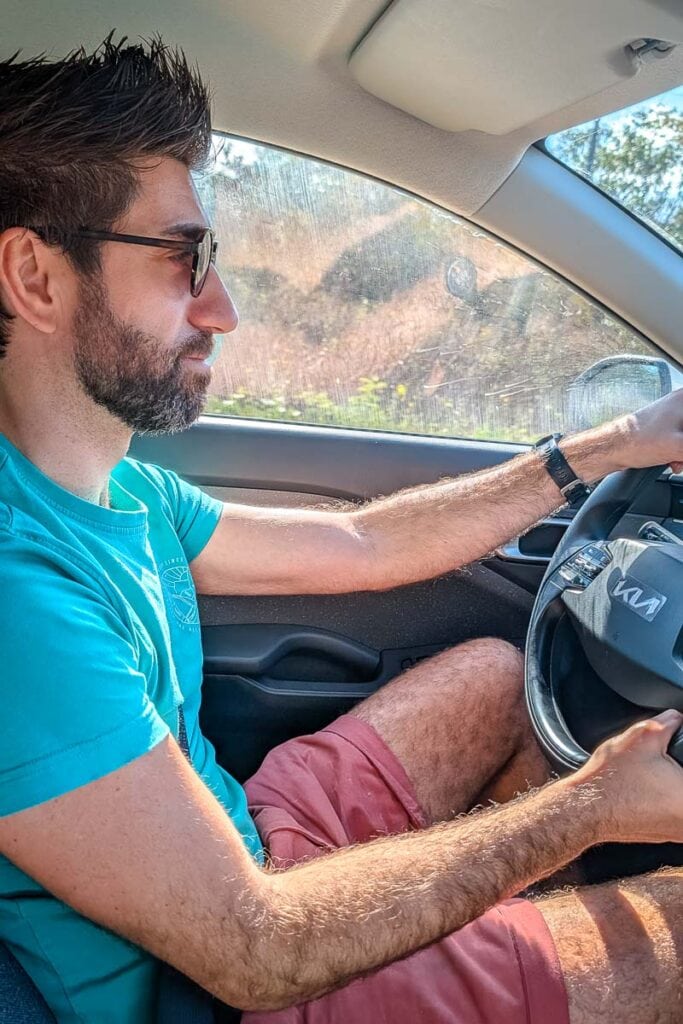
If you’re planning a road trip, you’re going to need a car. I hired our car with Localiza from Discover Cars. I always find these guys the cheapest booking platform for car hire, and the service has always been excellent.
While all car hire companies advertise ‘airport pickup,’ this isn’t strictly true. Each has a booth inside the terminal for check-in and pre-registration, but you’ll still need to take a short 10-minute minibus transfer to reach your car. In total, with checking-in, waiting around for the transfer, unloading all your bags – it can add on 30 minutes easily. It’s really not ideal when you’ve had a long 10-hour flight, so it’s something to be aware of.
Distances are long in Mexico
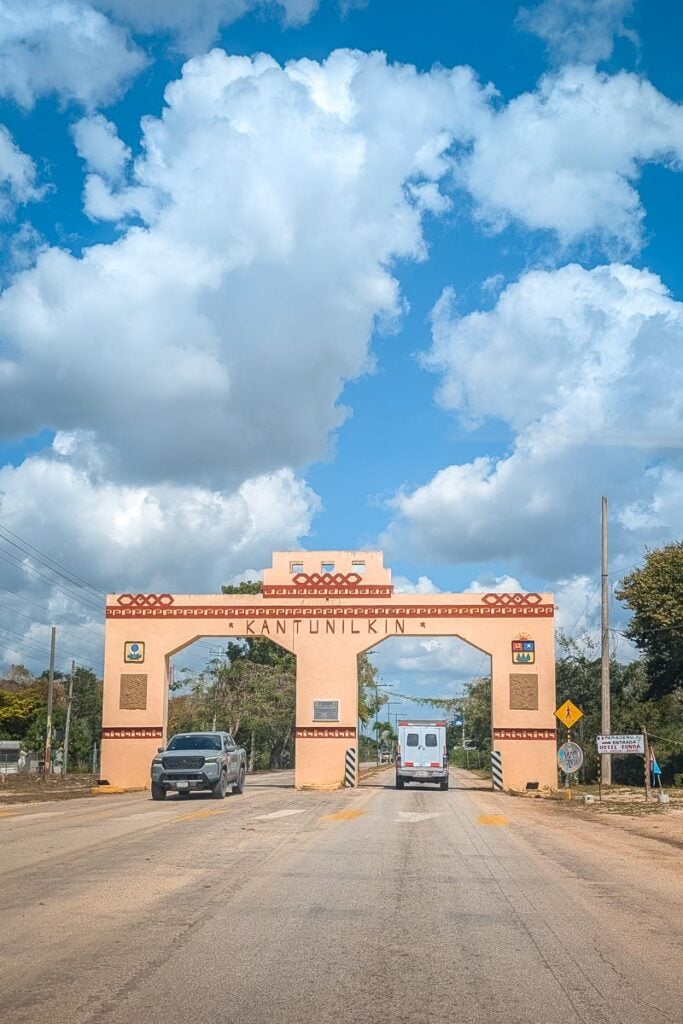
Some journeys are looooooong. It’s easy to forget how big Mexico is. Our longest journey was from Campeche to Bacalar. That was about 7 hours in total, though you can break it up and stay in Xpujil for the night if you want.
Tips for long drives: Make sure to fill up on petrol whenever you see a station, as some stretches of road have few options. Bring snacks, water, and a playlist or podcast, and plan for regular breaks to stretch your legs. Having a GPS or offline map is also essential, as some rural areas have patchy mobile signal.
Driving in the Yucatán can be quite boring
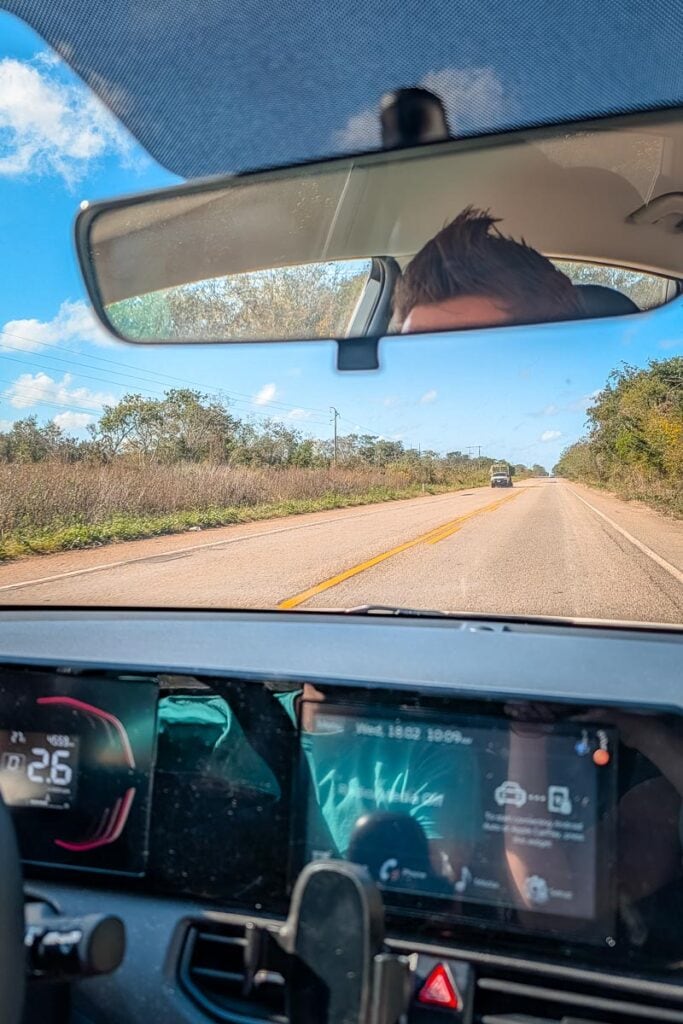
I would say the driving in the Yucatán is very straightforward, and dare I say even quite boring. Once you get on the toll roads, there aren’t a lot of cars on the road or things to look at. You can be driving for hundreds of kilometres in a straight line, so it’s important you concentrate. It just means you need a cracking road trip playlist to sing along to.
The only place I found driving difficult was around Tulum. This was because of traffic and the number of scooters zooming around the place. Also, the road parallel to the beach is a little too narrow for my liking!
Beware of the topes (speedbumps)
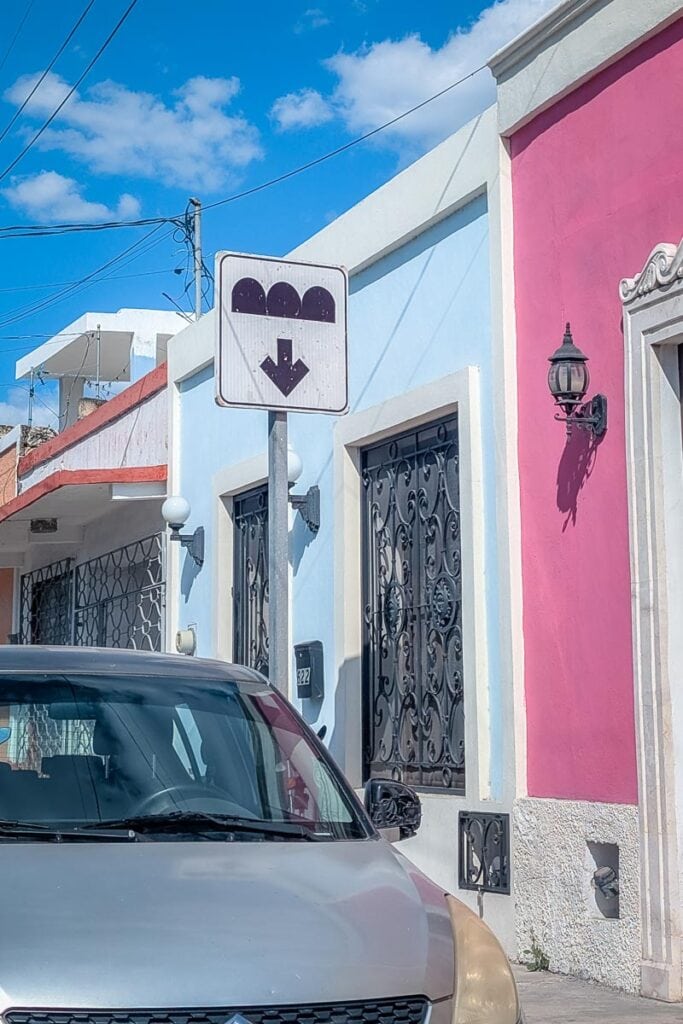
Okay, so for me the most difficult thing about driving in Mexico are topes (speedbumps). Unlike other countries where speedbumps are clearly obvious with yellow or white markings, in Mexico they aren’t marked at all, so the grey concrete blends seamlessly into the road. That means you can be driving pretty fast before you realise at the last second you’re about to run over a big speedbump. It’s scary and frustrating – I just wish the speedbumps had clear markings!
Even though I was hyper-aware, I still hit a few myself. The topes are genuinely very hard to see. It’s one the reasons why flat tires are so common among tourists. Just keep your eyes peeled and slow down, especially in towns.
A lot of the topes are big too, much bigger/steeper than other speedbumps around the world. You usually have to slow down to a crawl. They are very effective at what they do.
You will get stopped by the police
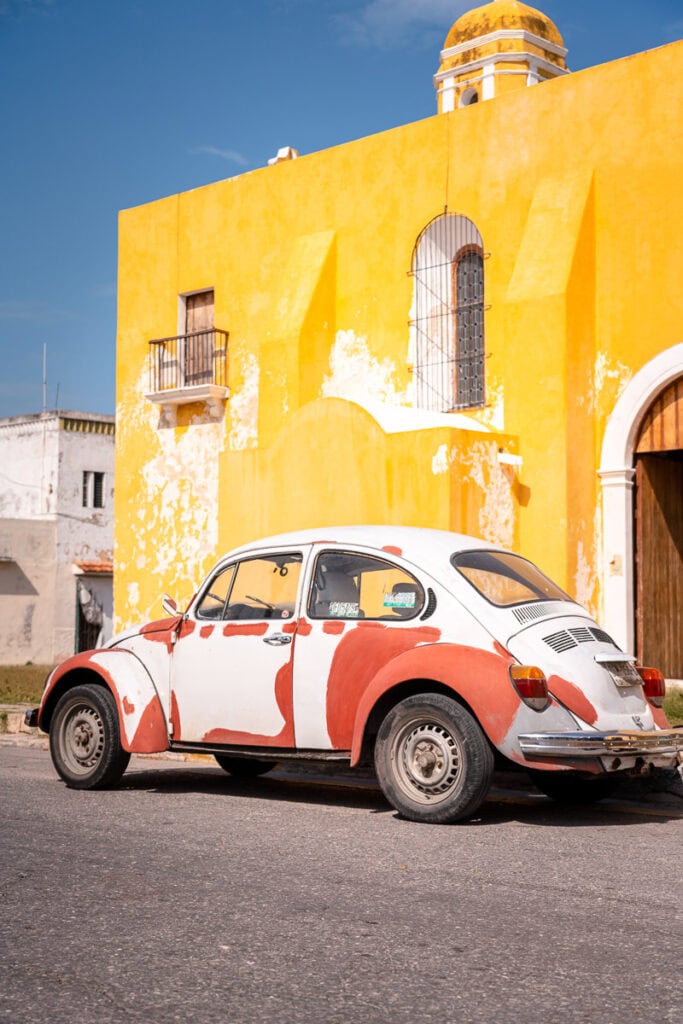
One thing to be aware of with driving in Mexico is there are often police check points dotted around. You usually just have to show your passport or drivers licence and you’ll be waved along. It can be a bit worrying the first time you see one though!
One of the most common checkpoints I found was outside Merida. I was stopped twice there. I just said I was a tourist and had a hotel in Merida and I was waved through.
Cities like Merida and Campeche have a grid system
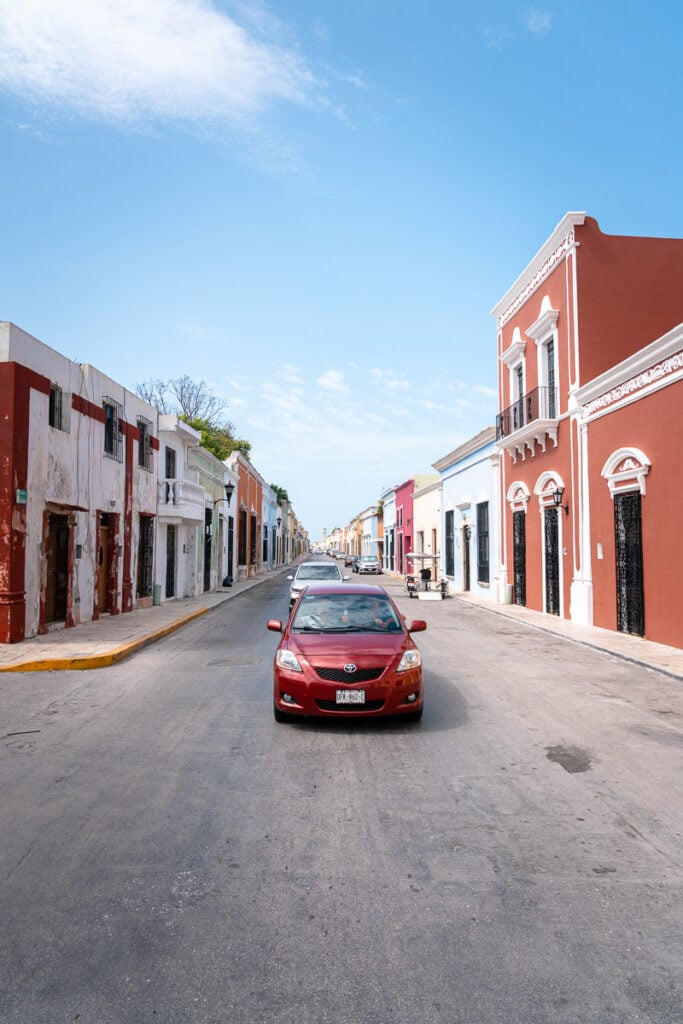
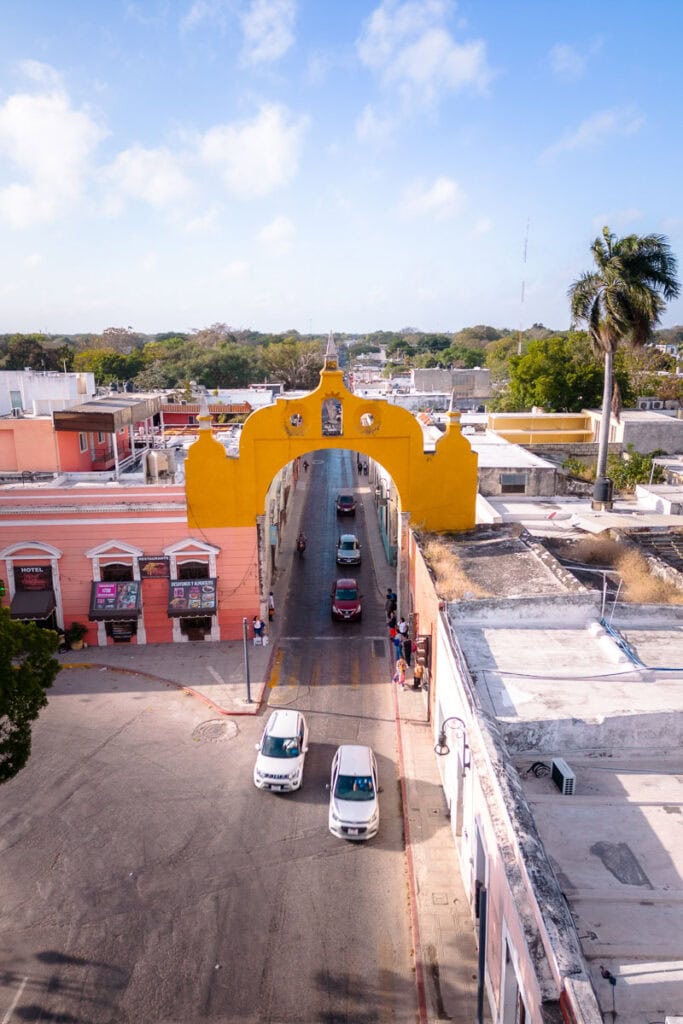
Many towns and cities across Campeche, Quintana Roo, and Yucatán are laid out in a grid system. If you’re from North America, you’ll probably be used to this style of navigation. If, like me, you’re from Europe, it can take a little getting used to!
I actually found the grid system quite easy to navigate, even with the one-way streets. That said, I still checked both directions out of habit – and it’s a good tip for anyone driving here. Also, keep an eye on small street signs at intersections, as they’re easy to miss but essential for avoiding wrong turns or one-way fines.
“The world’s most expensive toll road”

One thing worth knowing if you’re planning to drive between Cancún and Mérida is that the toll road (Carretera 180D) – the faster, smoother route – is not cheap by Mexican standards. A full trip on the toll road costs around 645 pesos one‑way (about £30–£35) in total, which is why many travellers joke that it feels like one of the most expensive toll routes in the country.
The price reflects the quality of the road: it’s wide, well‑maintained and much quicker than the alternative free road, which is narrower, slower, and passes through lots of towns. Driving on the toll route typically cuts the journey to around 3–3.5 hours, compared with closer to 4–5 hours if you stick to the free highways.
Fill up with petrol when you can
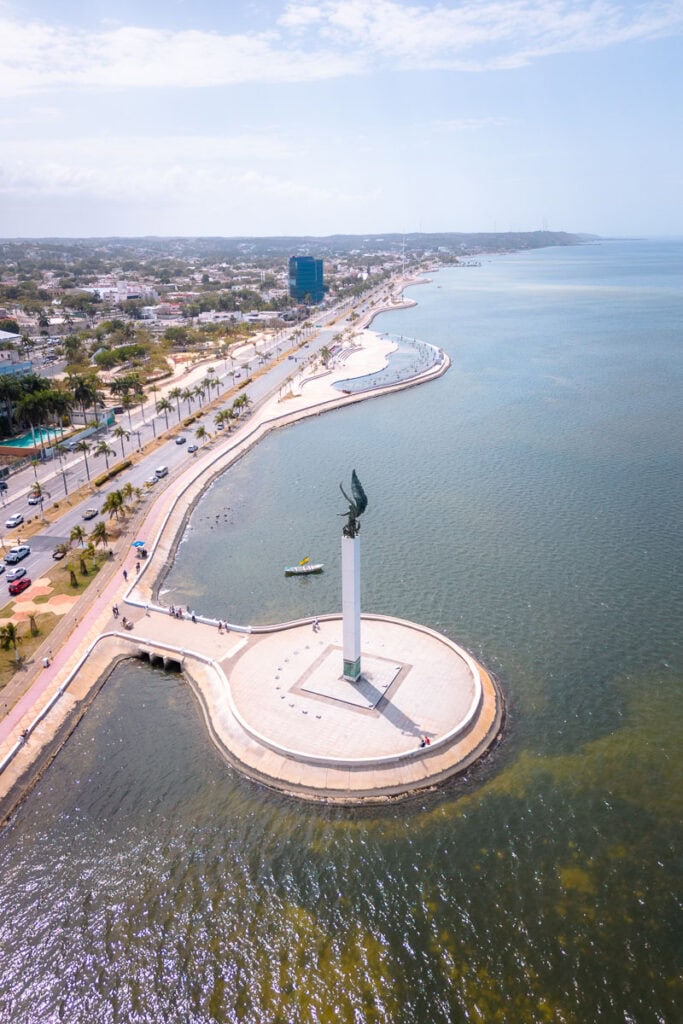
One thing to be aware of when driving in the Yucatán is that petrol stations aren’t always frequent, especially once you leave the main towns. On long stretches, particularly in Campeche or between smaller towns, you can go 50–80 km without seeing a station, so it’s a good idea to top up whenever you see one. Running low isn’t worth the risk, especially in more remote areas.
Most stations are full-service, so attendants will pump the petrol for you – just tell them whether you want Magna (regular) or Premium. Cash in pesos is preferred, as not all stations take cards, and it’s handy to keep a few coins for small purchases or tolls along the way.
Don’t park on yellow marked curbs
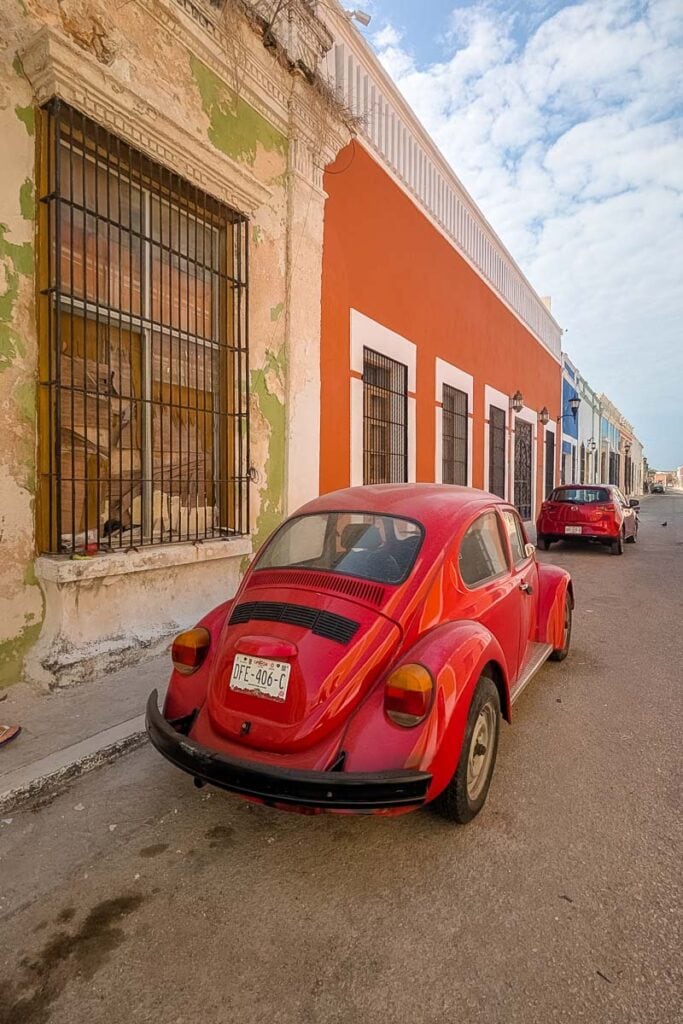
This is one of the most important tips for driving around the Yucatán – avoid parking on curbs painted yellow. In Mexico, yellow curbs essentially mean “no parking,” even if there aren’t any accompanying signs. Parking in front of one can result in a fine or even having your car towed, so it’s better to be safe and look for a legal spot.
When in doubt, look for white or unmarked curbs, which are usually safe to park on. Also, many towns have designated parking lots or metered areas, which are worth using to avoid any surprises. Always double-check the curb markings before leaving your car.
Cars don’t have rear windscreen wipers
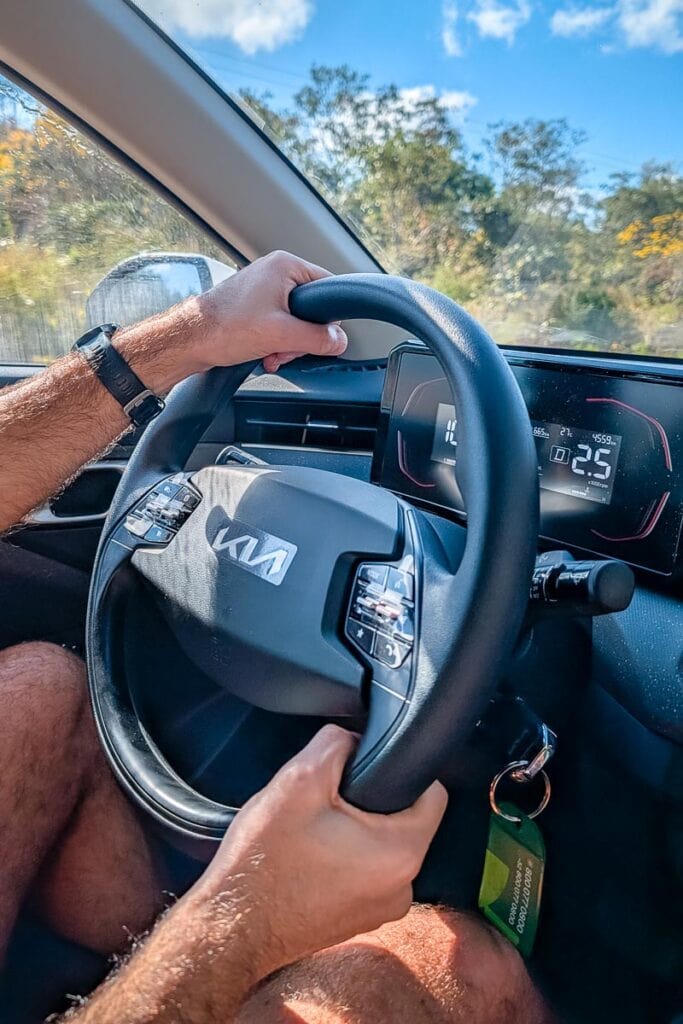
On one of our long drives, I noticed the back windscreen was filthy. I tried turning on the rear wiper, but nothing happened. I kept fiddling with it, thinking I was doing something wrong, and even asked Chloe to look up the car manual – still nothing. It was only when we parked that I realised: cars in Mexico often don’t have rear windscreen wipers. I have no idea why, because they definitely need them!
If you want your back windscreen cleaned, you can ask the petrol attendant at any petrol station. Just say: “¿Puedes limpiar el parabrisas trasero, por favor?” (which means “Can you clean the back windscreen, please?”), and they’ll usually be happy to do it for you.
Avoid driving at night
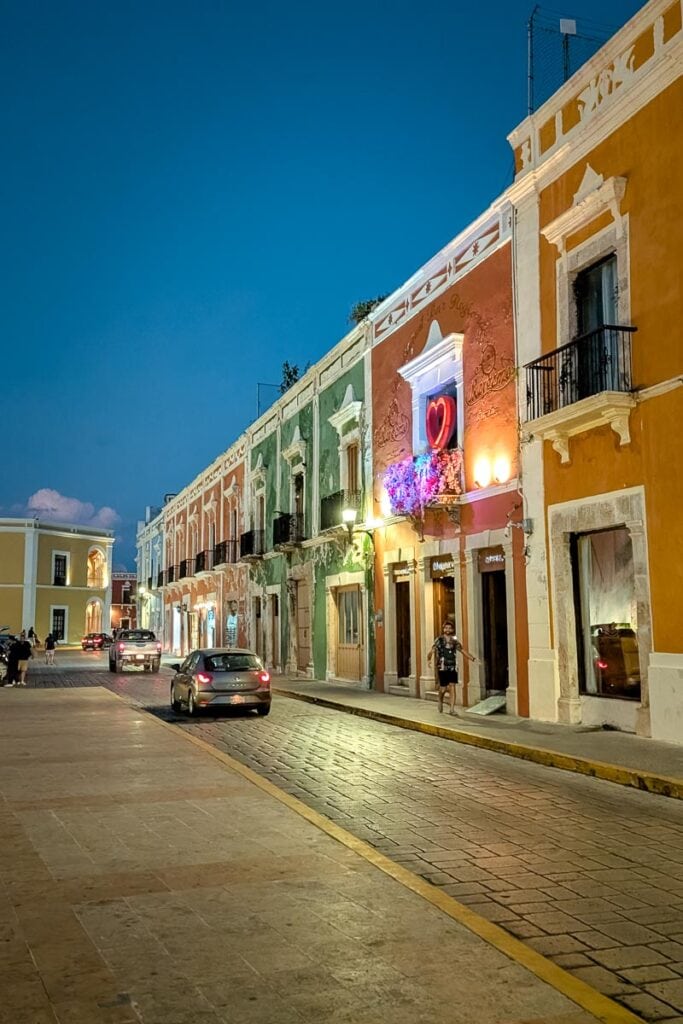
One thing I didn’t do on this trip – and I wouldn’t recommend – is driving at night. While the roads themselves are generally in good condition, many stretches outside towns are poorly lit or completely dark. Combined with unmarked topes, unexpected one-way streets, and occasional livestock or stray animals on the road, night driving can get tricky very quickly.
For safety and peace of mind, I stuck to daylight hours only, and it made a big difference. You get better visibility, can spot speedbumps in time, and it’s just easier to navigate unfamiliar towns. Plus, driving during the day gives you a chance to enjoy the scenery, which is half the fun of a road trip in the Yucatán!
Speed limits
| Road Type | Typical Speed Limit | Notes |
| Toll roads (cuotas) | 110 km/h | Smooth, well-maintained; watch for topes near exits |
| Free highways (libres) | 90 km/h | Slower, passes through towns and villages |
| Rural roads | 80–90 km/h | Can be narrow or poorly lit; stay alert for animals |
| City streets | 40–60 km/h | Scooters, pedestrians, and unmarked topes common |