
Planning a trip to Vietnam? Get my top travel tips, including navigating cities, trying street food, and using a Vietnam eSIM on the go.
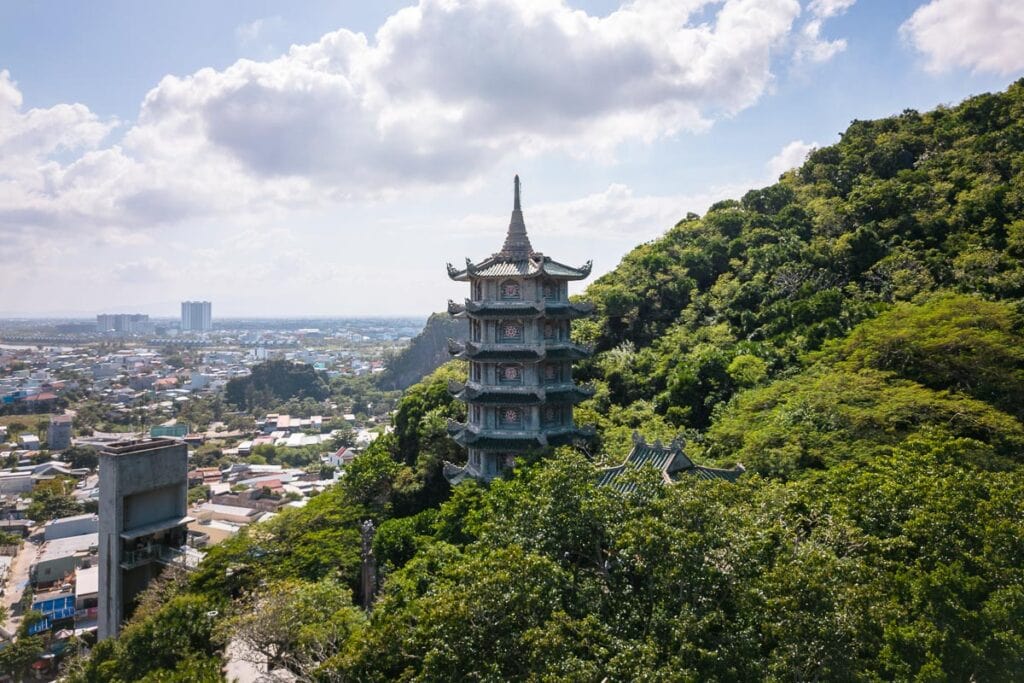
My last trip to Vietnam was a few years ago now, but it’s a trip I keep on coming back to. When we went to Vietnam, it was with the hope that we could show our son this incredible adventure and how amazing travelling was. After four weeks travelling from Ho Chi Minc City to Hanoi, we had the best time with some truly amazing experiences along the way.
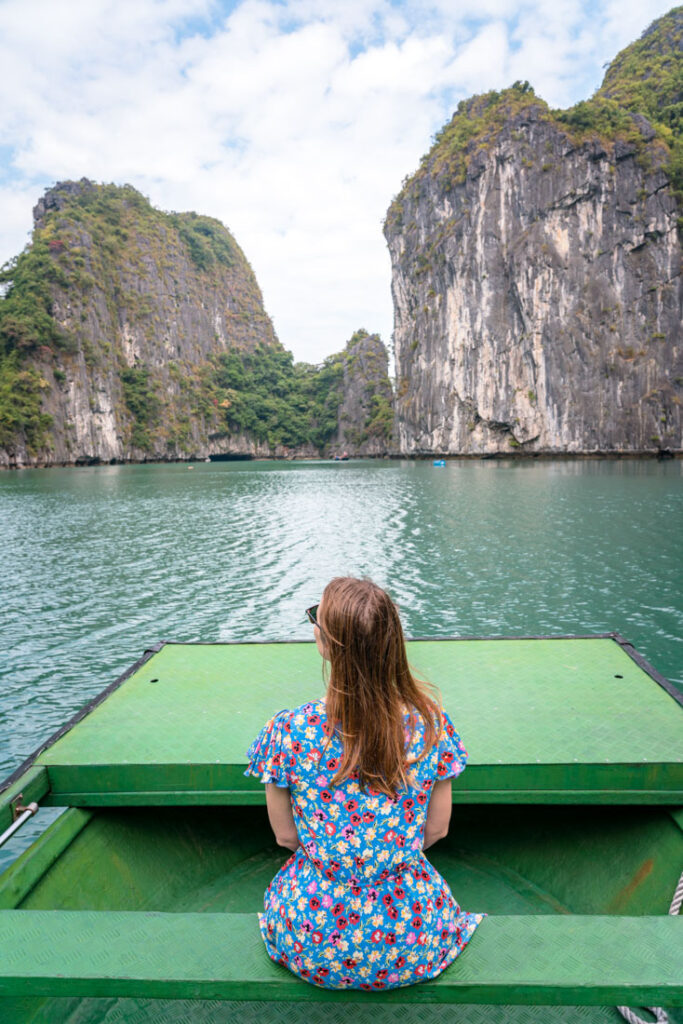
From the buzzing streets of Ho Chi Minh City to the calm, emerald waters of Ha Long Bay, there’s just so much to see and do in Vietnam. Four weeks was the perfect amount of time for us too. It meant we could take things at a slightly slower pace and really get to know the country. And when I say get to know the country, I mainly mean the people. They were so kind, and even offered to help babysit on more than a few occasions so we could eat!
On the subject of that, the food! I’d travel back to Vietnam just to have a bowl of pho and a banh mi. Bun cha that’s smoky and full of flavour, delicate bánh xèo pancakes that are crispy and light, and bowls of cao lầu that are rich, comforting, and packed with texture. Every meal feels like an experience in itself, and eating your way through Vietnam is just as much of the trip as exploring the temples, beaches, and markets.
Vietnam is vibrant, affordable, and endlessly exciting. Here’s everything I learned about travelling around the country, staying connected, and making the most of every moment.
Contents:
Decide whether you’re travelling north to south, or vice versa
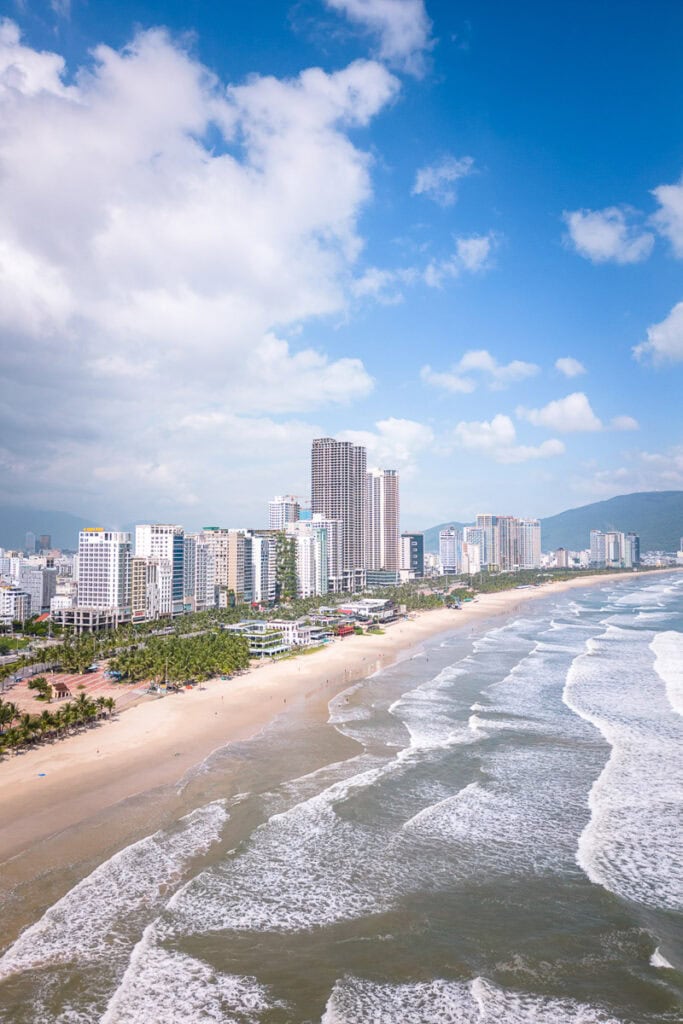
Vietnam isn’t a huge country, but it’s long and narrow, so travel times can be a lot longer than you think. When I first mapped out my trip, I decided to focus on a combination of cities and natural highlights. Hanoi and Ho Chi Minh City are must-sees, not only for their vibrant energy but also for their history, food, and markets. Between these urban hubs, I squeezed in trips to Halong Bay, Hoi An, and Danang.
One of the things to decide beforehand is whether you’re travelling north to south, or vice versa. These are the only two routes people take when travelling around Vietnam. I went from south to North as I wanted to save Halong Bay, a place I knew would be a highlight, to the last.
Embrace the local transport (even scooters)
Vietnamese transport is an adventure in itself. Motorbikes dominate the roads, buses weave through traffic like it’s a video game, and trains offer scenic – and often relaxing – alternatives. I decided to try a bit of everything. One of the ways people get around cities is by taxi bike (xe oms).
‘Xe om’ literally translates to ‘hug the driver’ which is basically what you do when you’re on the back of one. I love that image, and I think it’s a really fun way of travelling around. It’s usually very quick too!
Get a Vietnam eSim so you’re always connected
Here’s the thing: wandering through new cities and rural areas is amazing, but it can be stressful if you don’t have reliable internet access. In the past, I’ve gotten lost more times than I’d like to admit or struggled to book last-minute buses and tours because I didn’t have a proper connection. That’s why a digital eSIM changed the game for me on this trip.
Unlike a physical SIM card, a digital eSIM can be set up before you even leave home. I used a Vietnam eSIM from Holafly, and it was incredible to land at Tan Son Nhat Airport in Ho Chi Minh City and immediately have full mobile coverage. No hunting for a shop, no language barriers, and no fumbling with tiny SIM cards.
Reasons why I found it useful:
- Effortless connectivity upon arrival: I could open Google Maps, check the latest bus times, and even message my homestay host the minute I landed.
- No physical card to lose: My phone became my hub for everything without juggling extra plastic cards.
- Easy network switching: If I moved from a city to a more rural area, I could easily switch plans or providers right on my phone.
- Supports multiple plans: I kept my UK plan active for calls while using a Vietnamese data plan for everything else. Perfect for staying in touch with family back home.
- Safe and secure: If I’d lost my phone, the eSIM could be remotely locked or erased – far more secure than a traditional SIM.
- Cost-effective: Avoiding roaming charges alone made it worth it, and many eSIM providers offer flexible packages for different lengths of stay.
Honestly, having consistent internet access made a huge difference – not just for directions and bookings, but also for translating menus, checking local etiquette, and even discovering hidden gems off the beaten path.
Go on a culinary adventure
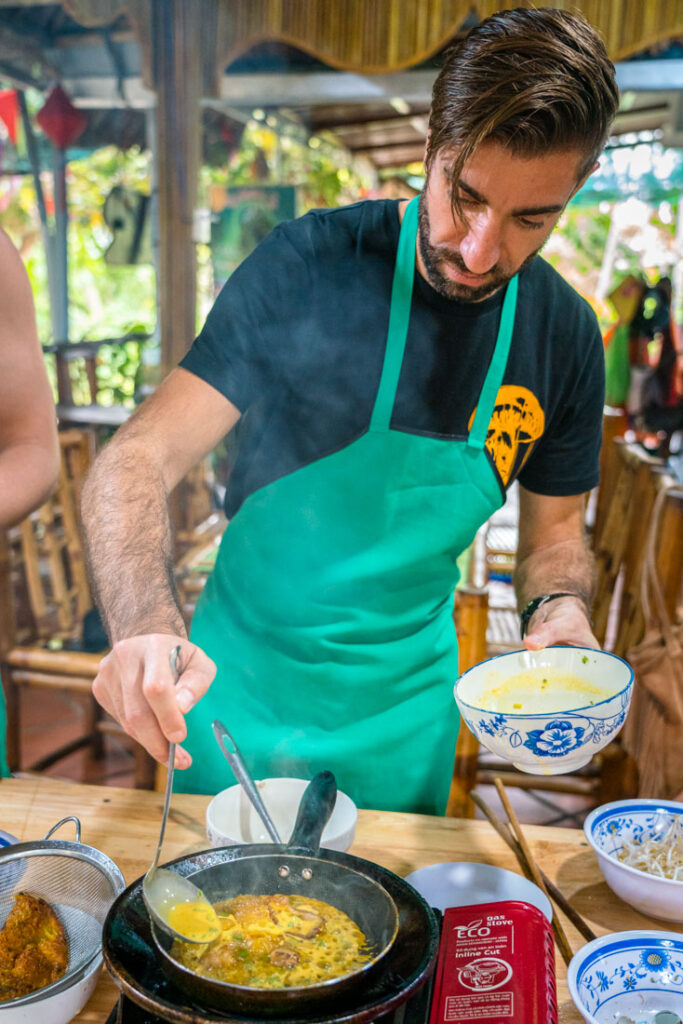
Vietnamese food is life-changing. Street food in Hanoi, seafood along the coast, and pho everywhere; it’s all incredible. My advice is just get stuck into everything. Some times you’ll love, some things you’ll like, and some things you’ll wish you never put into your mouth. That’s why going on a Vietnamese cooking class is always a good idea, so you can learn more about the local cuisine.
When eating street food, a little caution goes a long way. I always checked that the stall was busy (a good sign of freshness) and chose dishes that were cooked on the spot. Saying that, I did have balut (a fertilised chicken embryo) on one of my first trips to Vietnam, so just get stuck in.
A few tips on cultural etiquette
Vietnamese culture is warm and welcoming, but there are a few things I picked up that helped me avoid awkward moments:
- Dress modestly when visiting temples or pagodas.
- Remove your shoes when entering someone’s home.
- A gentle bow or nod can go a long way when greeting locals.
- Tipping isn’t mandatory, but small gestures are appreciated.
Being connected via my eSIM meant I could instantly look up any etiquette tips whenever I wasn’t sure. For example, if I was visiting a remote pagoda and wasn’t sure about dress codes, a quick search on my phone saved me from any faux pas.
Use contactless payments so you don’t need cash
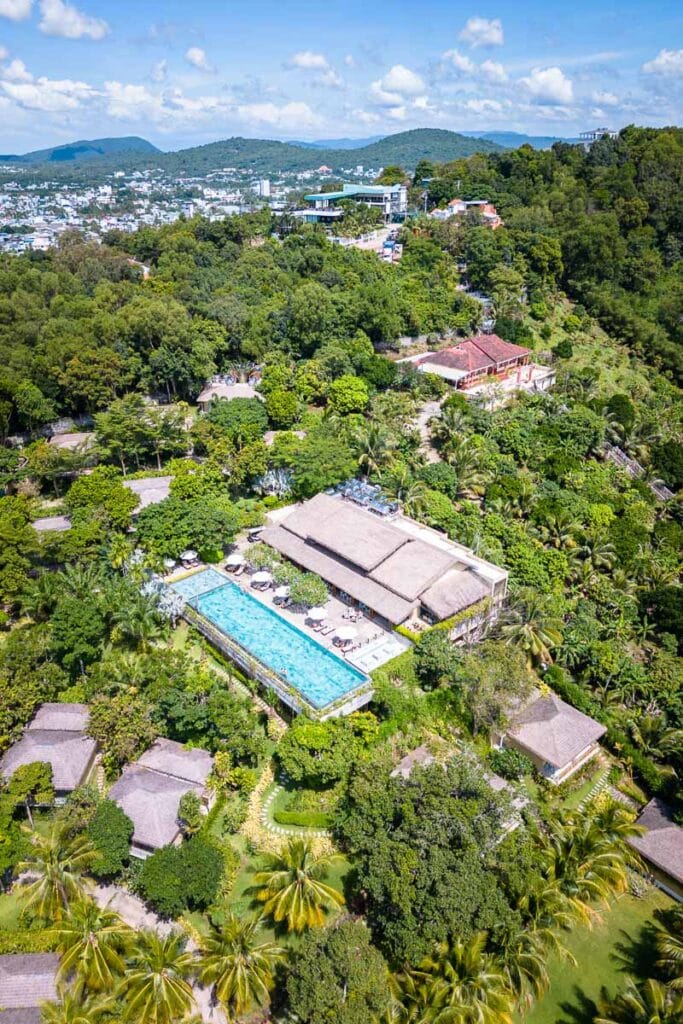
Vietnam is generally safe, but petty theft does happen in crowded areas. I always kept my cash in different pockets and used contactless payments where possible. ATMs are common in cities, but if you’re heading to rural areas, make sure you have enough cash for the day.
Having internet access also made it easier to check live exchange rates and find trustworthy ATMs or money changers. I couldn’t imagine trying to manage money while constantly offline – it just adds unnecessary stress.
Research when is best to visit
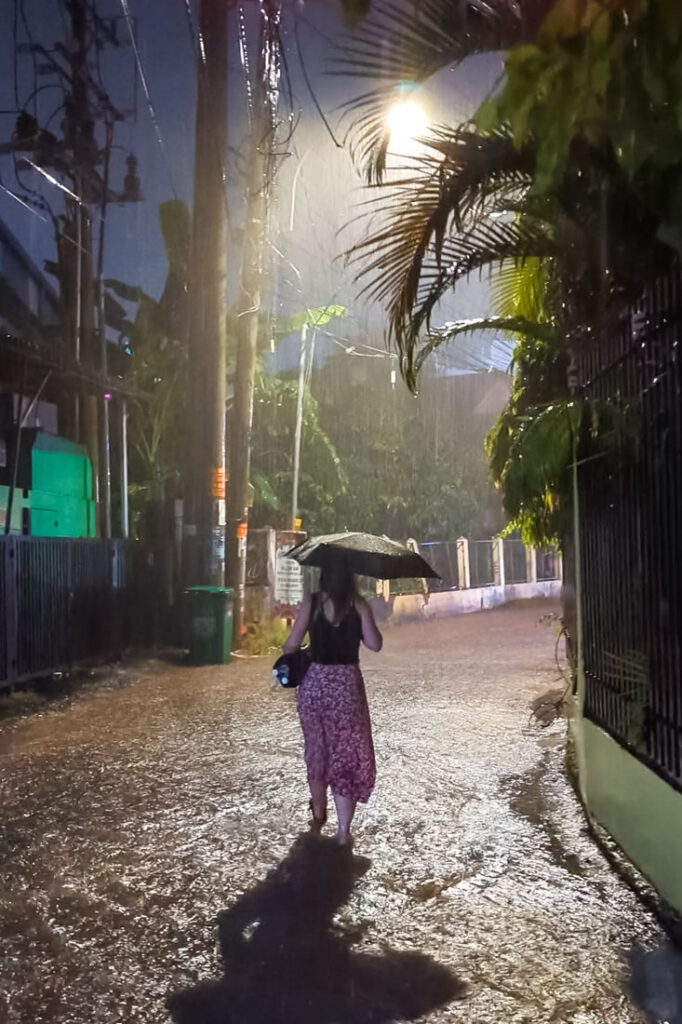
Just a note that monsoon season is between May, June, July, August and early November. In central Vietnam the monsoon season can drag on till early December.
When I visited recently it was late November/early December, and the central region had been hit hard with flooding. It was some of the worst they’ve ever had on record, so the seasons are definitely changing and monsoon season is getting more extreme.
This makes the packing a little harder than some other countries. Basically, it means you have to pack that travel umbrella – just hope you don’t have to use it!
It’s important to stay flexible
The beauty of Vietnam is that there’s always something unexpected around the corner. Markets pop up in alleyways, locals invite you to try homemade delicacies, and landscapes change dramatically within hours of travel. My biggest tip? Don’t over-plan each day. Make sure you leave room for spontaneous adventures.
Vietnam is a country that rewards curiosity, openness, and a little bit of adventure. With the right preparation – and the right tech – you can focus less on logistics and more on the experience. And trust me, once you’re exploring winding streets, sipping egg coffee in Hanoi, or watching the sunset over the Mekong Delta, you’ll be glad you did.