
This post contains product affiliate links. These are mainly on items/hotels/tours that I personally endorse & love. I may earn a small commission if you make a purchase, but at no extra cost to you.
Discover Japan’s breathtaking nature, from Mount Fuji to the Jogasaki Coast, with insider tips from someone who has explored it all.
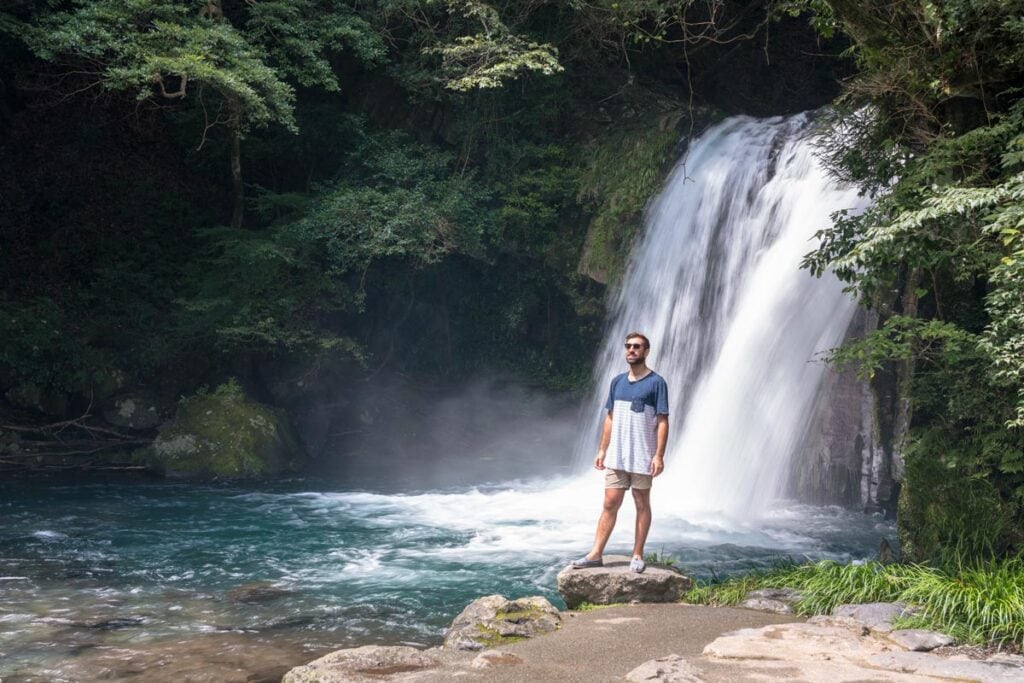
Japan is a country that is very close to my heart. Even though I’ve only visited once, it was one of the best trips of my life. On that trip I walked ancient pilgrimage routes through mist-cloaked mountains, stood on dramatic coastlines battered by the Pacific, and explore some of the country’s most beautiful waterfalls. I was so surprised at how varied the countryside is in Japan. It’s definitely one of those places that stays with you long after you leave.
And yet, one myth keeps doing the rounds – that Japan is nothing but bullet trains, neon-lit cities, and busy urban streets. I get it. Tokyo is huge. Kyoto is stunning. Osaka will happily feed you until you can no longer move. But here’s the thing: over two-thirds of Japan is covered in forests, mountains, and hills. Most of the country is wild, raw, and breathtakingly beautiful. Tourists who only see the cities are missing out on the best bits. That’s what I think anyway.
So, if you’re ready to swap the city crowds for something a little wilder, here’s my guide to exploring Japan’s incredible nature. Trust me, it’ll change the way you see this country entirely.
Mountains
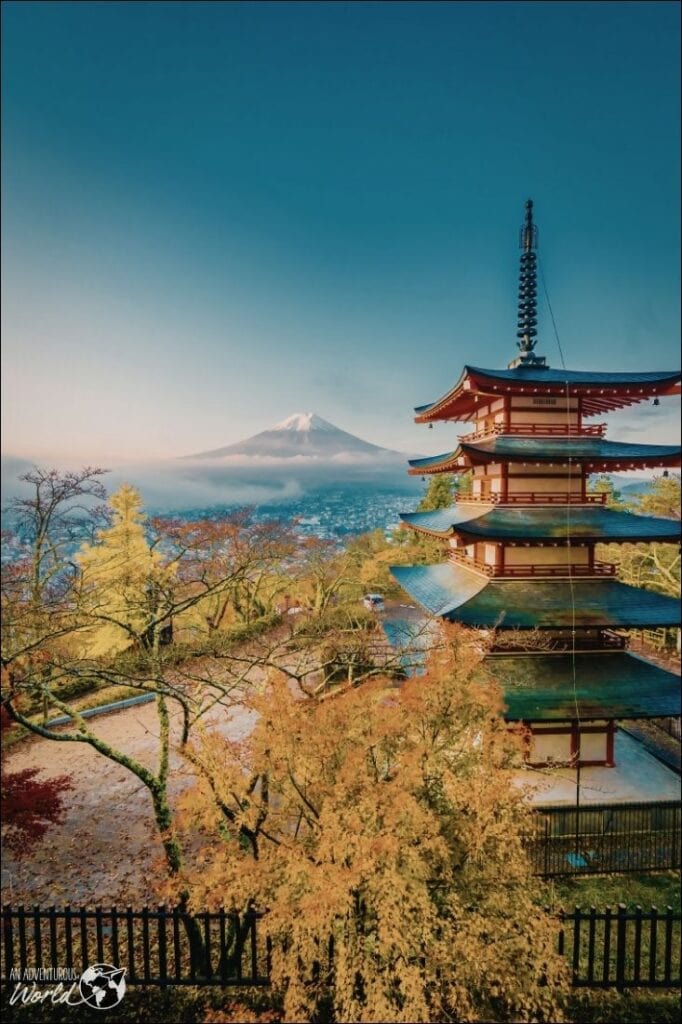
Japan’s mountains are unlike anywhere else in the world. That’s largely because most of them are volcanoes. Dramatic, steep, and surrounded by some of the most gorgeous scenery you’ll ever lay eyes on, they are absolutely worth the effort of getting to. I’ve always wanted to go skiing in Japan too – the powder there is meant to be some of the best in the world. Before you head out though, make sure you grab an eSIM card so you’ve got a reliable connection and navigation on the trail. Wi-Fi spots are very much non-existent once you’re deep in the mountains.
Mount Fuji is Japan’s most iconic peak and straddles the Yamanashi and Shizuoka prefectures. It’s the country’s symbol for very good reason – there is genuinely nothing quite like seeing it rise up above the clouds on a clear morning. During summer, four different routes take you to the summit, and the resorts clustered around the base are a lovely place to stay if you want to fully soak up the atmosphere. I always recommend all first-timers add Mount Fuji to their itinerary. It really is one of the top places to visit in Japan for a reason!
If you’re based in Tokyo and short on time, Mount Takao is an absolute gem. It’s just a short trip from the city, the scenery up top is gorgeous, and there’s even a local temple to explore once you’ve made it to the summit. Not up for the hike? No problem! A cable car and chair lift are also available if you’d rather let the mountain do the work. I always encourage people to take on Mount Takao. Not only does it get people out the metropolis of Tokyo, but the views are stunning.
Coasts
Did you know Japan’s coastline is one of the longest in the world? It’s also incredible varied, from golden beaches to dramatic cliffs. Swimming, diving, and snorkelling are hugely popular, and having spent time along several stretches of this coastline, I can absolutely see why.
The Kitayamazaki Coast in Iwate Prefecture is a real showstopper. Stretching for about eight kilometres, the cliffs here reach the height of a 60-storey building – and when you see them from the Kitayamazaki Observatory at the end of the trail, your jaw will genuinely drop. It’s one of those places that makes you reach for your camera and then immediately put it down because no photo is ever going to do it justice.
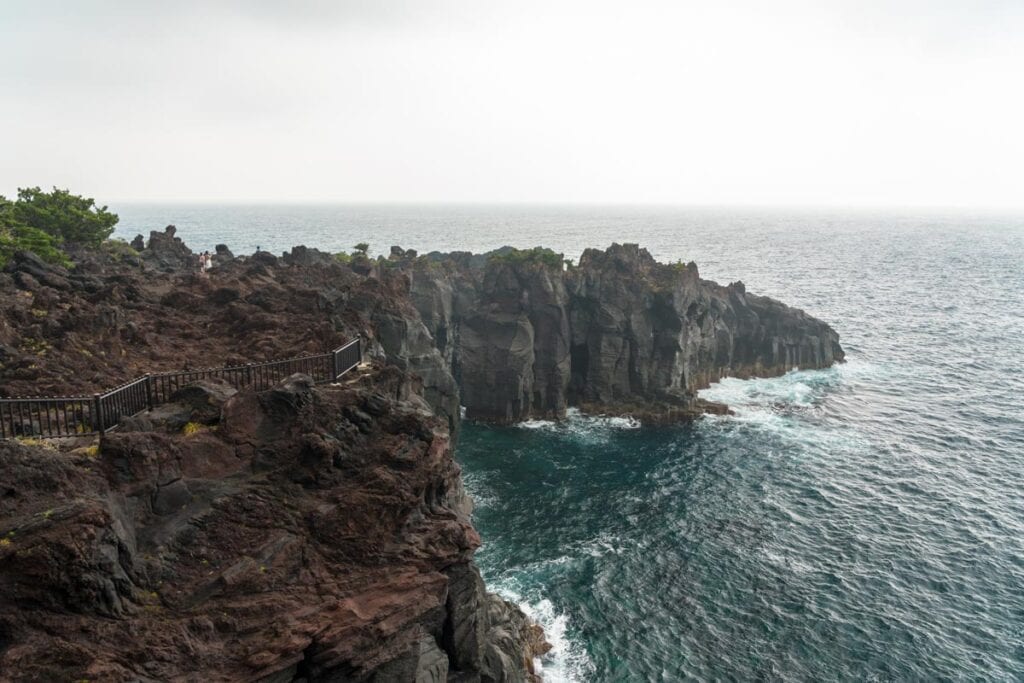
Then there’s the Jogasaki Coast on the Izu Peninsula, which is one of my personal favourites. I hiked the 10-kilometre trail that runs along this stretch of jagged, lava-black coastline and it was absolutely brilliant – rough, rugged, and so different to anything I’d expected from Japan. The views of the cliffs and rock formations are outstanding, and the Jogasaki Coast is somewhere I’d happily go back to in a heartbeat. You can see what it’s like from my photos!
Rivers
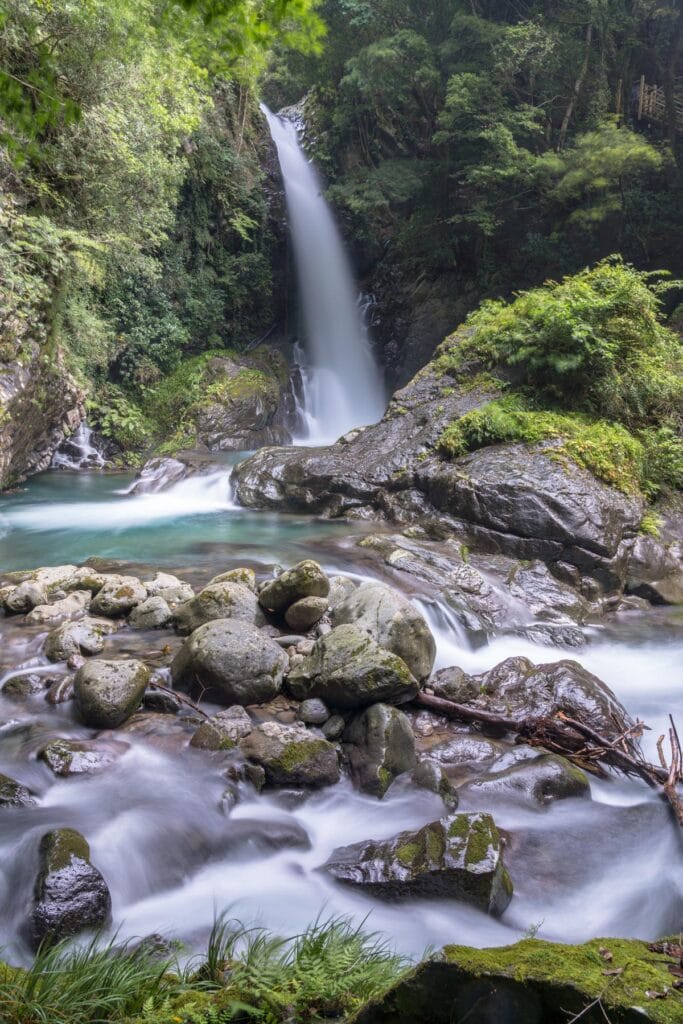
Japan has a lot of rivers, and they range from languid jungle waterways perfect for a boat cruise to rushing mountain streams that beg to be hiked alongside. Whatever your style, the rivers here will not disappoint.
Some of the most magical are found on Iriomote Island, which is almost entirely covered in dense jungle. The rivers flow inland through this incredible landscape and you can explore them by either kayak or jungle boat. Both options are brilliant and I’d struggle to choose between them. It feels about as far from modern Japan as you can possibly get, which is exactly the point.
For a completely different experience, head to Oirase Stream in Towada. This mountain stream is one of the most beautiful in the country, particularly in autumn when the trees around it burst into the most extraordinary shades of red, orange, and gold. You can hike alongside it or hop on a local bus. Either way, bring your camera because the colours here are absolutely extraordinary.
Other experiences you shouldn’t miss
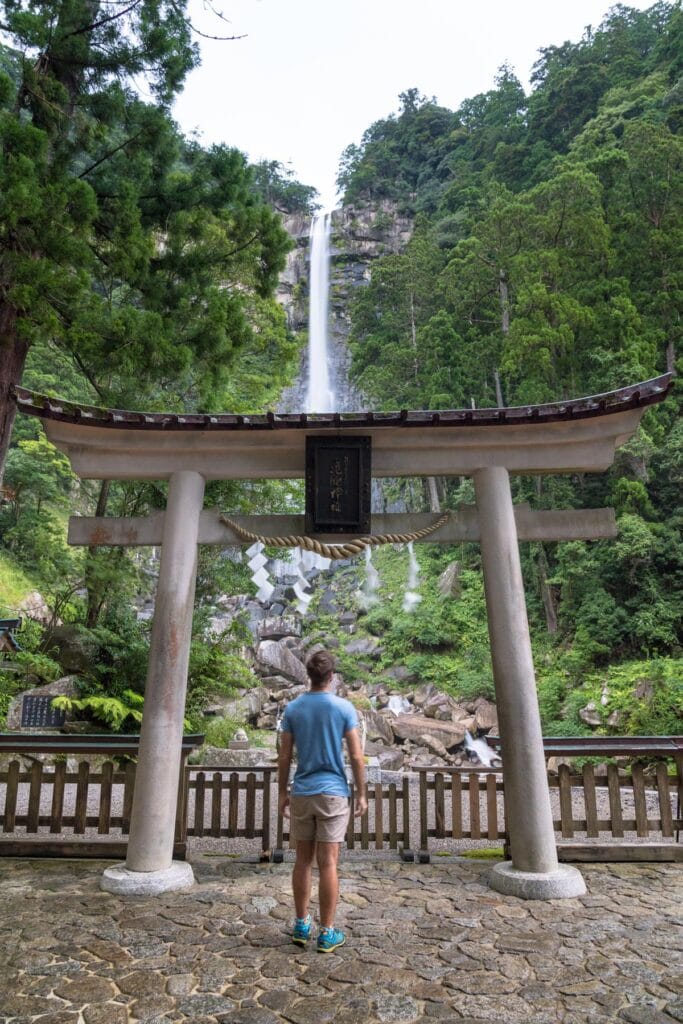
Some of Japan’s most spectacular natural spots genuinely defy categorisation. I always think these are the ones that stick with you the longest.
The Amanohashidate Sandbar in northern Kyoto Prefecture is one of them. A three-kilometre sandbar lined with thousands of pine trees; it’s an utterly unique and beautiful place to explore. Just make sure you stay connected with the best eSIM for Japan while you’re here, as you’re unlikely to find many Wi-Fi hotspots nearby – and you’ll want Google Maps to hand.
If you’ve never seen sand dunes in Japan, the Tottori Sand Dunes will stop you in your tracks. They’re the largest in the country at a whopping 16 kilometres long, and they’re every bit as dramatic as they sound. There’s even a sand sculpture museum nearby, which is worth a visit while you’re in the area.
And then there are the Naruto Whirlpools in the Naruto Strait – a natural phenomenon created by the movement of water between the Seto Inland Sea and the Pacific Ocean. The difference in tides combined with the narrowness of the strait sends the water spinning into mesmerising whirlpools, and several cruises will take you right out to see them up close. It’s one of those things that sounds gimmicky until you actually see it, and then you completely understand the fuss.
Japan’s nature is waiting
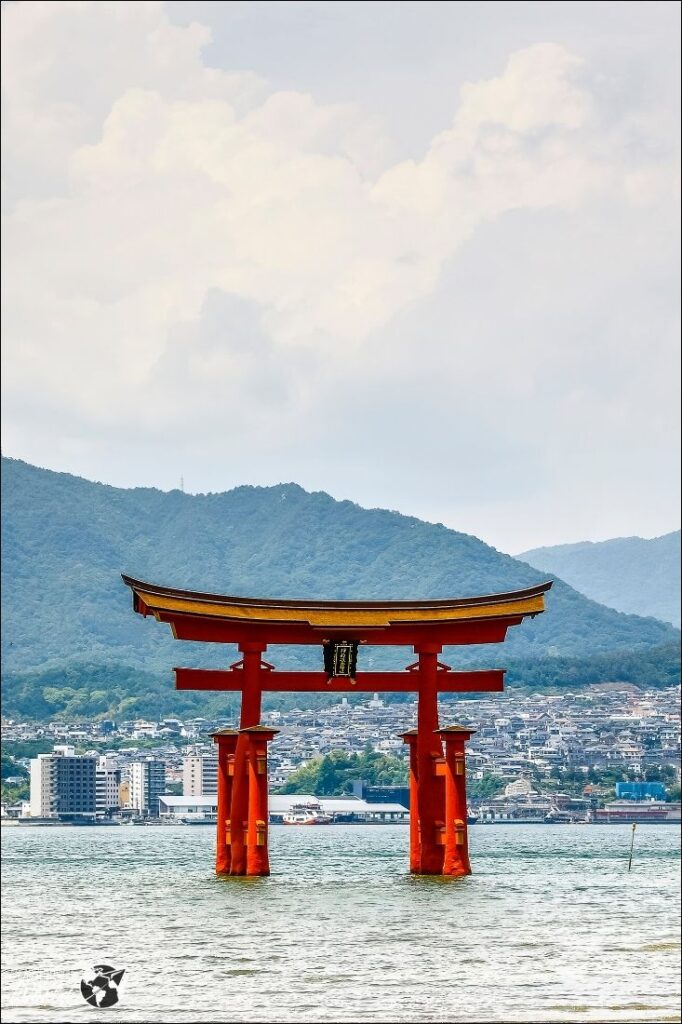
Here’s the honest truth: Japan without its nature is only half the story. The mountains, coastlines, rivers, and wild landscapes are just as essential to understanding this extraordinary country as any temple or city skyline. I know this because I’ve seen it with my own eyes, and every single time I’ve ventured beyond the urban centres, Japan has delivered something completely unforgettable.
Whatever you’re after a challenging summit, a coastal hike, a jungle river, or a stretch of golden dunes, Japan’s vast and versatile archipelago has something for you. Go and find it. You won’t regret it.