This post contains product affiliate links. These are mainly on items/hotels/tours that I personally endorse & love. I may earn a small commission if you make a purchase, but at no extra cost to you.
Planning a ski trip? Here’s what’s new in the French and Swiss Alps this winter, and where to stay in the mountains.
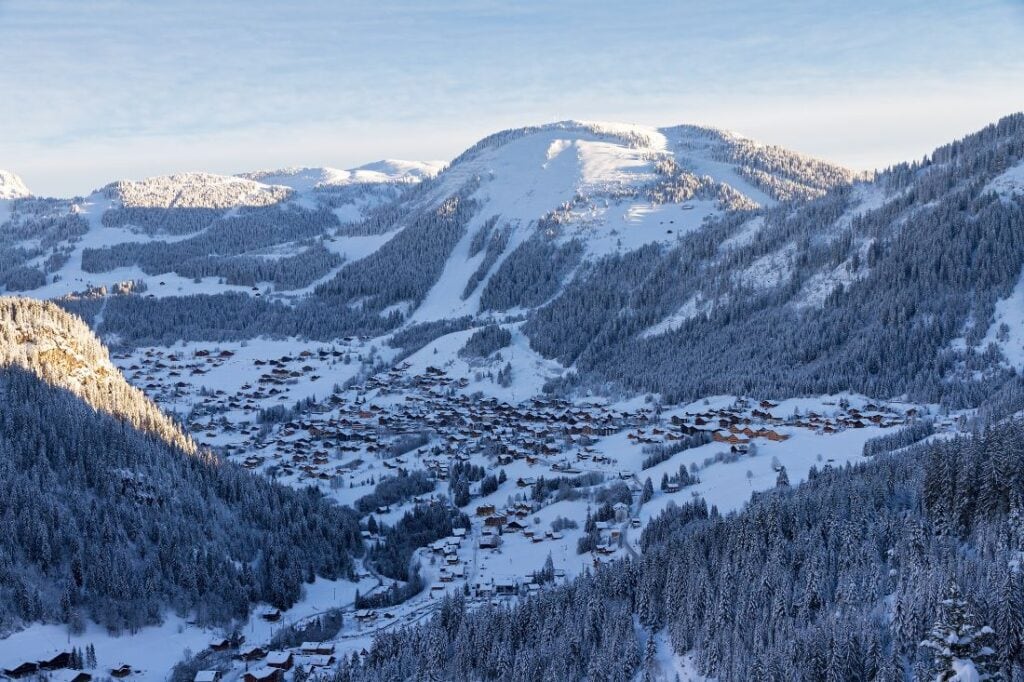
Give me a cold, bright morning at altitude over a beach any day of the week. It’s that first lift of the day that does it for me, when the valley below is still in shadow, the pistes have been freshly groomed and nobody has been near them yet.
I’ve been skiing in both the French Alps and the Swiss Alps. I’ve been in a blizzard in Val Thorens on the very first day of the ski season, and I’ve slalomed my way downhill with the Matterhorn in the background in Zermatt. I absolutely adore both regions, and I’ve always got a lot of things to say about them.
What’s changed over the past few seasons is everything around the skiing. Resorts across France and Switzerland have quietly rebuilt themselves around longer, slower stays, with better food, spas, snowshoe trails, flexible lift passes and apartments you’d actually want to spend a week in. Think Michelin-starred restaurants and 5* spa days. The skiing is still the reason you go. It just isn’t the only reason any more.
In this guide, I’m looking at seven resorts across two countries. Five in the French Alps (Châtel, Val Cenis, Orelle, Chamrousse and Abondance) and two in Switzerland (Nendaz and Veysonnaz). I’ll cover what each one does well, who it suits, where to stay and how to decide between France and Switzerland if you’re still torn.
How Alpine resorts have changed
10 years ago a ski holiday was measured in kilometres of piste and how many hours on the slopes you could do. Now, people judge a resort just as much on what happens off the slopes than just on them.
Hands-free passes, app booking and online ski school sign-ups have taken most of the queuing out of a trip. Passes have got more flexible too, with half-day, hourly and multi-resort options for people who don’t want to ski six full days in a row.
Resorts have widened out as well. Snowshoe circuits, cross-country loops, toboggan runs, wellness centres and food experiences now sit alongside the pistes, which matters enormously when you’re travelling with mixed abilities or non-skiers.
Shifts in travel habits and guest priorities are shaping what visitors look for, from innovative activities to comfortable accommodation in the Swiss Alps that support longer or shorter stays. Understanding these emerging trends can help travellers choose the perfect fit for their next mountain escape.
Châtel and Abondance sit in the same valley
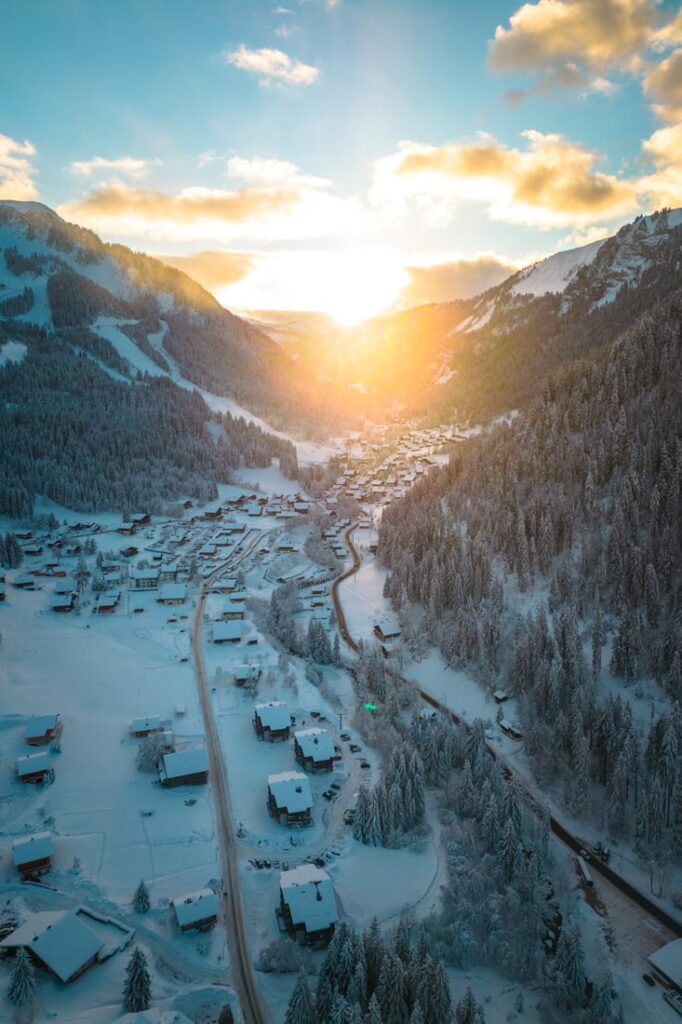
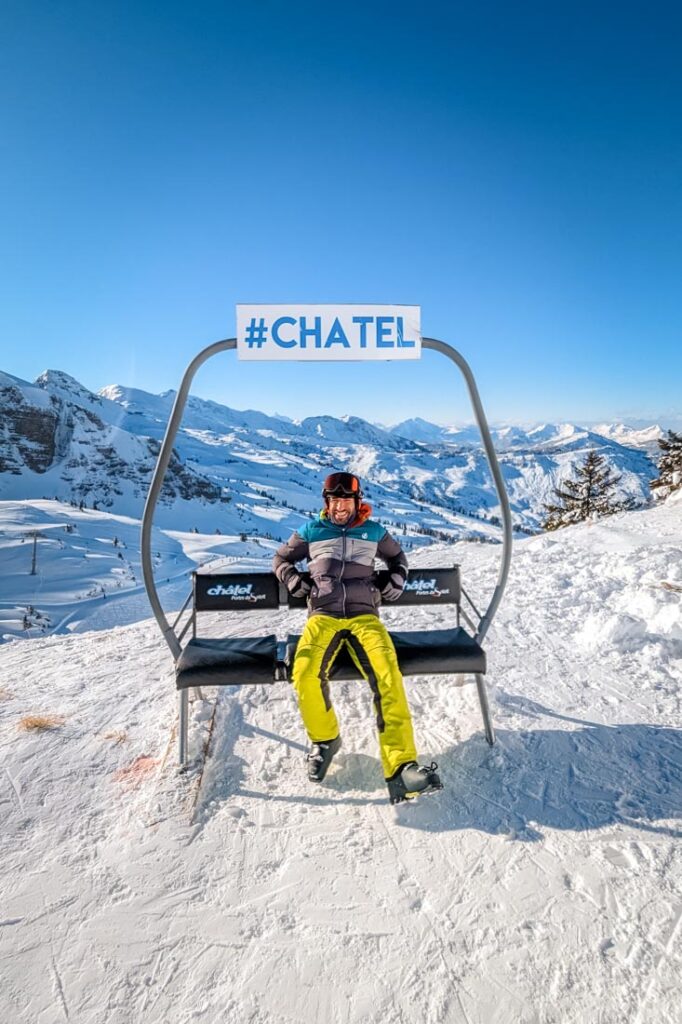
Châtel is the busier of the two and one of the better value ways into the Portes du Soleil, the huge cross-border area linking a dozen resorts across France and Switzerland. Ski from Châtel and you can be in Morgins, on the Swiss side, without taking your skis off. This is what I’ve done myself and it’s a brilliant way into the Swiss Alps.
Abondance, further down the valley, is the opposite in character. It’s a small village resort with gentle slopes, a slower pace and a proper farming identity. This is where I did some ski touring and it’s a really relaxing area in the French Alps.
That identity is worth leaning into. Abondance cheese is an AOP product made in this valley, so dairy visits, tastings and mountain restaurant menus built around it give the place a sense of somewhere real rather than purpose-built.
Val Cenis and Chamrousse suit families and first-timers
Val Cenis, in the Haute Maurienne, is one of the best French resorts for nervous skiers. There’s a huge amount of easy terrain, including L’Escargot, a green run of around 10km that winds all the way back down to the valley. Getting to the bottom of that on day three does wonders for a beginner’s confidence.
Chamrousse works differently. It sits directly above Grenoble, roughly half an hour from the city, so it’s one of the few resorts you can reach without a long transfer. It hosted alpine events at the 1968 Winter Olympics and still has steeper terrain to go with its beginner zones.
Orelle is the quiet way into the Three Valleys
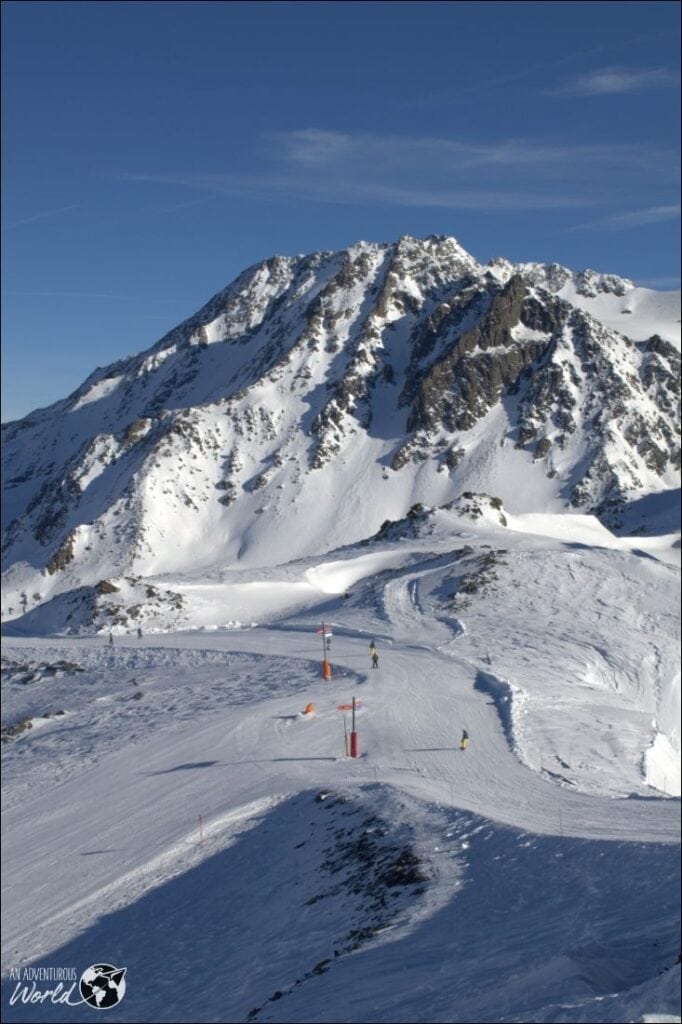
Orelle is the smallest name here and the one that catches people out. A gondola from the village carries you straight up into the Three Valleys, the largest linked ski area in the world, and on into Val Thorens. From there the Orelle-Caron cable car takes you to around 3,200m at Cime Caron for one of the best viewpoints in the Alps.
The appeal is cost. Basing yourself down in the Maurienne valley rather than up in a purpose-built resort usually works out cheaper, and you’re skiing exactly the same terrain as everyone else.
Nendaz gives you high-altitude skiing in the 4 Vallées
Nendaz is the biggest of the Swiss resorts on this list, and its main draw is access. It sits in the 4 Vallées, the largest ski area in Switzerland, linked with Veysonnaz, Thyon and Verbier, topping out at Mont Fort at 3,330m. That altitude matters more every season, and it means the higher runs hold their snow well into spring.
Off the pistes, Nendaz has built a reputation for guided off-piste and ski touring, along with a good network of winter walking trails following the bisses, the old irrigation channels that thread across the hillsides.
Veysonnaz is smaller, steeper and more relaxed
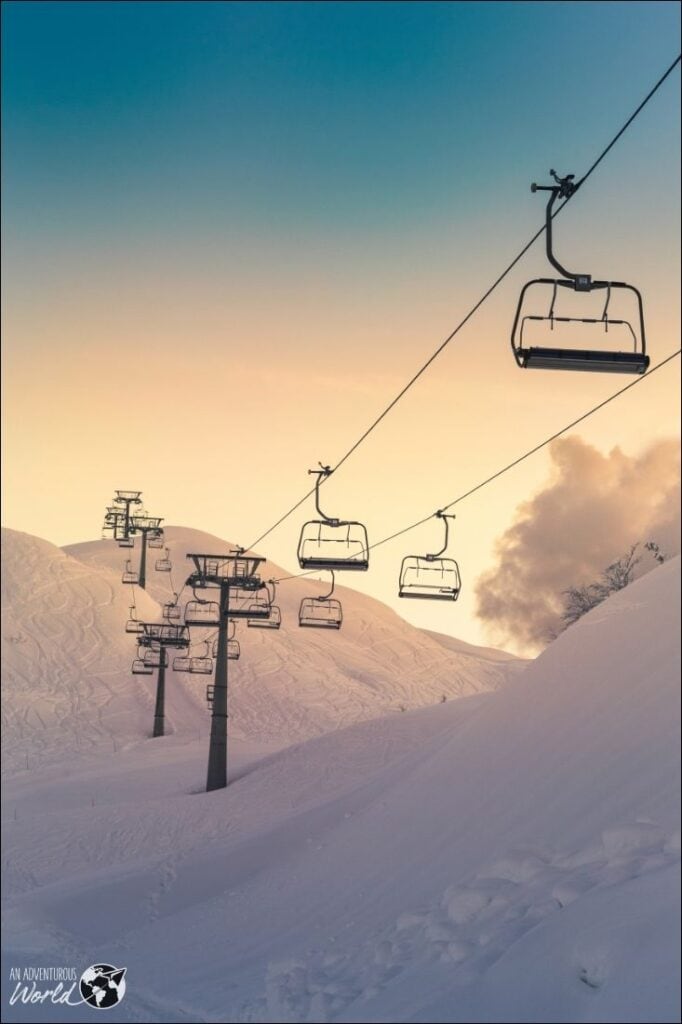
Veysonnaz sits on the same lift network but feels completely different. It’s a compact village on a south-facing terrace above the Rhône valley, with long views and far more sun than you’d expect in mid-January.
Its calling card is the Piste de l’Ours, a World Cup run that drops through the trees down to Siviez and gives confident skiers something genuinely demanding on their doorstep.
Après here is low-key rather than raucous, which suits couples and small groups who care more about a good dinner than a late night.
Where to stay in the French and Swiss Alps
Self-catered apartments have become the default for a lot of British skiers, and it’s easy to see why. A kitchen changes the economics of a week in the mountains, and space matters when four people are drying kit at the same time.
Look past the marketing and check the practical things. Heated ski lockers at ground level, a lift, secure parking, a proper drying room and genuine ski-in access if it’s advertised as such.
You’ll find a good range of accommodation around Nendaz and Veysonnaz, plus plenty of accommodation in the French Alps across the resorts above, with options for both short breaks and full weeks.
What travellers want beyond the skiing
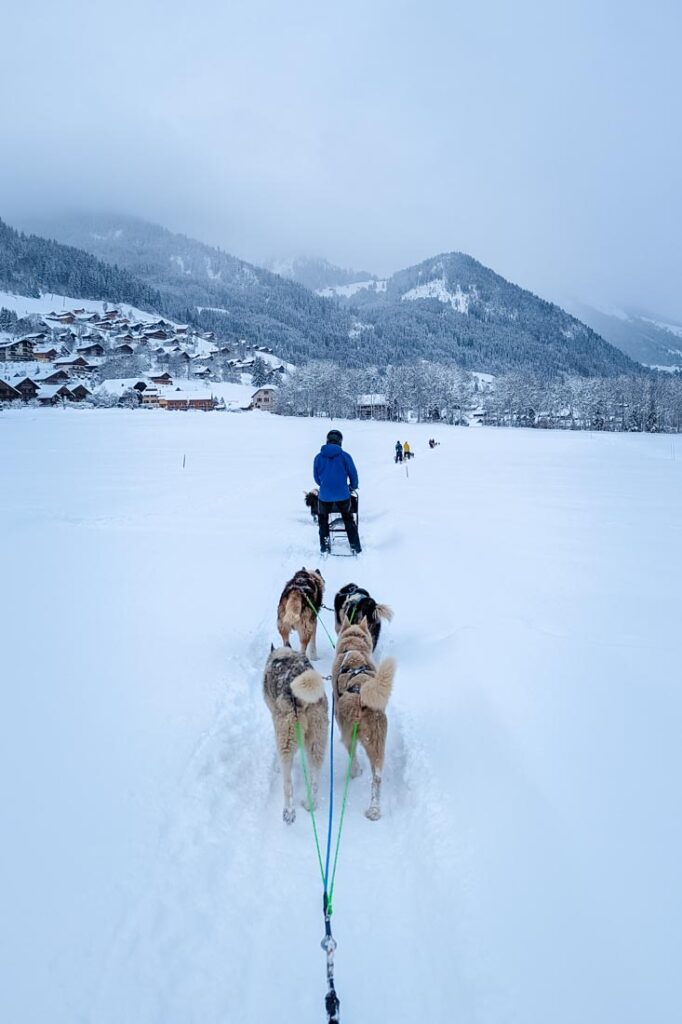
The biggest shift is how much of the week now happens off the slopes. Spas, saunas and pools have gone from luxury extra to expected, particularly in newer apartment residences.
Food has become a bigger part of the trip too, whether that’s a cheese-making demonstration in the Abondance valley or a long lunch at a mountain restaurant instead of a rushed afternoon session.
Then there’s flexibility. Shorter breaks, midweek arrivals and mixed groups where half the party skis and half doesn’t are all far more common now, and resorts have adjusted their passes and programmes accordingly.
French Alps or Swiss Alps: which should you choose?
France usually wins on value and on the sheer scale of linked terrain, and it’s the easier option if you’re driving from the UK or flying into Geneva, Lyon or Grenoble.
Switzerland costs more once you’ve factored in food and lift passes, but you get altitude, excellent public transport and villages that feel lived in rather than built purely for the season.
If it’s a first family ski trip, look at Val Cenis or Châtel. If you want height and long descents, go for Nendaz. And if you want quiet slopes and good food, Abondance or Veysonnaz.