
This post contains product affiliate links. These are mainly on items/hotels/tours that I personally endorse & love. I may earn a small commission if you make a purchase, but at no extra cost to you.
Planning an adventure trip abroad takes more than a backpack and a dream. These 7 apps cover routes, maps, packing, language, and everything between.
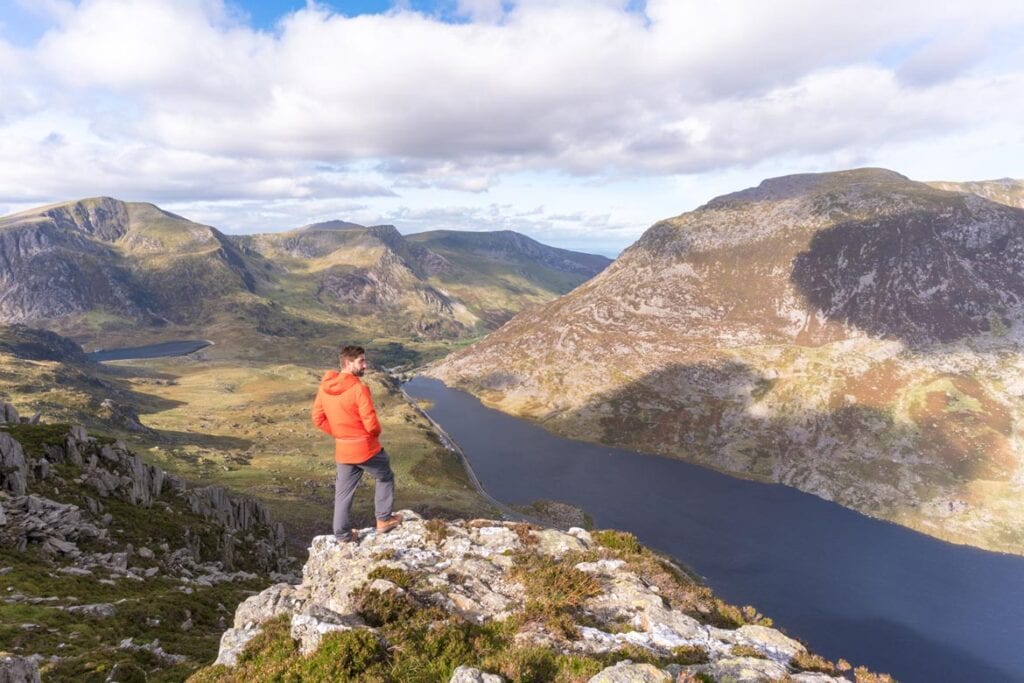
I have lost count of how many trips I have planned from my phone. And I do not mean sitting at a desk with a spreadsheet open (though I have done that too). I mean lying in a hammock in Guatemala, booking a bus to El Salvador while eating a mango, and somehow making it all work. The beauty of travelling in 2026 is that your phone can do about 90% of the planning. The other 10% is just showing up and figuring it out on the ground.
Travel planning has changed beyond recognition in the last few years. When I started this blog, I was printing out hostel addresses and hand-drawing rough maps in notebooks. Now, I can research a route, book transport, download offline maps, and even start learning the local language before I have left the sofa. Your phone really can handle about 90% of the logistics. The other 10% is just showing up and figuring it out on the ground, which, honestly, is the best bit.
Over the years I have tried dozens of travel apps. Most are fine. Some are brilliant. A few have genuinely saved me from situations that would have made for a very different kind of blog post. Here are the seven I keep installed and actually reach for when I am planning an adventure trip abroad.

1. Rome2Rio
If you have ever stared at a map trying to figure out how to get from one remote town to another, Rome2Rio is the app that solves that problem. You type in where you are and where you want to go, and it shows you every possible option: buses, trains, ferries, flights, even driving routes. It covers connections that Google Maps does not always know about, especially in Southeast Asia, Latin America, and parts of Africa where local transport networks are not well indexed.
I have used it to find overnight buses in Mexico, ferries between islands in Thailand, and a train route through the Balkans that I did not even know existed. For adventure travellers, it is the single most useful route-planning tool out there.
2. Maps.me
Google Maps is great in cities. Maps.me is great everywhere else. The app uses OpenStreetMap data, which means it includes hiking trails, dirt roads, and paths that Google simply does not map. You download the maps for your destination before you leave, and they work completely offline. No signal, no Wi-Fi, no problem.
I first started using it while trekking in Nepal, where mobile data is either nonexistent or eye-wateringly expensive. It has since become my go-to for any trip that involves getting off the beaten path, from hiking the Bastei Bridge in Germany to cycling through rural Vietnam. If your idea of adventure travel includes hiking, cycling, or just getting lost on purpose, this is the mapping app you need.

3. Promova
Here is something I learned the hard way, including on some of my adventures in Thailand: when you are doing anything remotely adventurous abroad, being able to communicate in the local language is not just nice to have. It is a safety issue. Try negotiating a last-minute ride back to town from a trailhead in rural Austria when nobody speaks English. Or explaining to a mechanic in Guatemala that your scooter is making a sound it definitely should not be making. Those situations are much less stressful if you have even basic language skills.
Promova is a language learning app for people who want to speak, not just memorise phrases from a list. It combines structured self-study with AI speaking practice, so you can actually have AI conversations and get comfortable using the language before you land. You can study German online with Promova app before an Alps trip, pick up Spanish before Central America, or learn basic Thai before heading to the islands. The AI tutor is especially useful for practising the kinds of phrases you will actually need on the ground, like asking for trail directions or explaining a problem to a local. I wish I had something like this before my first backpacking trip. It would have saved me a lot of awkward pointing and confused silences!
4. AllTrails
According to Statista’s outdoor recreation data, hiking participation has surged globally since 2020, and AllTrails has been at the centre of that growth. It has over 400,000 trails globally, with reviews, photos, difficulty ratings, and GPS-tracked route maps. You can filter by distance, elevation gain, dog-friendliness (if that is your thing), and whether the trail is suitable for the current season.
What makes it essential for adventure travellers is the offline map download. You can pull up the trail map on your phone even when you are deep in the mountains with no signal. The community reviews are also genuinely helpful. Other hikers will tell you if the trail description is accurate, if there is a tricky section the official map does not mention, or if the “moderate” rating is actually closer to “bring ropes.”

5. XE Currency
Currency conversion sounds boring until you are standing at a market stall in Morocco trying to figure out whether you are about to pay a fair price or ten times the going rate. XE Currency gives you real-time exchange rates, works offline once you have synced it, and lets you save multiple currencies for quick comparison.
I use it constantly when I am travelling in countries where bargaining is expected. It takes two seconds to check a conversion, and it has stopped me from both overpaying and accidentally insulting someone with a lowball offer. For multi-country trips where you are crossing borders regularly, it is indispensable.
6. PackPoint
I know, I know. A packing app sounds excessive. But hear me out. PackPoint generates a packing list based on your destination, travel dates, weather forecast, and planned activities. Heading to Iceland for a week of hiking in October? It will tell you exactly what layers, waterproofs, and gear to bring. Going to Thailand for a beach holiday? Different list entirely.
I started using it after I packed completely wrong for a trip to Chile (shorts and a light jacket; not my finest moment). It does not replace common sense, but it catches the things you forget when you are packing at midnight the night before your flight. For adventure trips where the wrong gear can genuinely ruin the experience, it is worth the five minutes it takes to set up.

7. iOverlander
iOverlander is a community-driven app that maps out campsites, wild camping spots, fuel stations, water points, and other essential stops for overland travellers. If you are road-tripping, van-living, or cycling across a continent, this is the app the overland community swears by.
Every listing is submitted and reviewed by other travellers, so the information is practical and current. You will find notes like “flat ground, shade after 2pm, dogs are friendly” alongside GPS coordinates. It is not useful for everyone, but if your style of adventure involves a tent or a vehicle, iOverlander is essential. I discovered it through other overlanders in Central America and have used it on every road trip since.
Before you go
No app is going to replace the thrill of just showing up somewhere new and working it out. That is still the best part of adventure travel. As Lonely Planet’s travel planning guide puts it, the best tools are the ones that handle the logistics so you can focus on the experience. These seven do exactly that: they make the planning side faster, the logistics smoother, and the unexpected moments a little less stressful. Download a few before your next trip, and you will wonder how you ever managed without them.