
This post contains product affiliate links. These are mainly on items/hotels/tours that I personally endorse & love. I may earn a small commission if you make a purchase, but at no extra cost to you.
European road trips cost more than you think. From tolls to parking, here’s how to plan a budget-friendly drive across Europe the smart way.
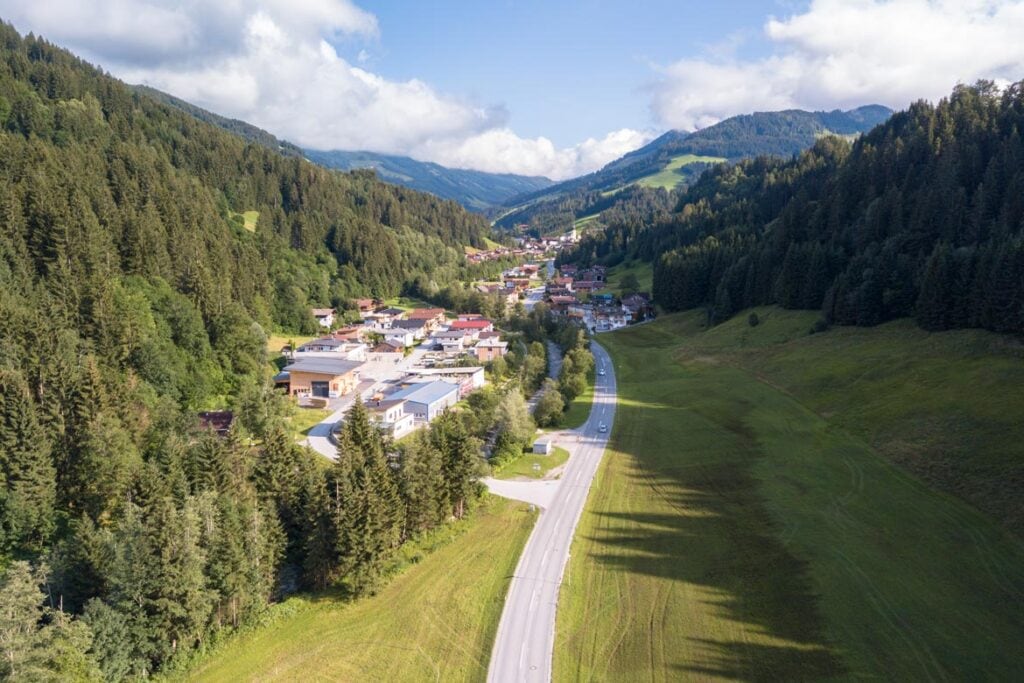
There is a version of the European road trip that lives in everyone’s head before they actually do one. Empty alpine roads, cheap espresso stops in Italy, a campervan parked beside a glassy lake in Slovenia. Endless, glorious freedom, road trip tunes blasting out. I’ve had that daydream more times than I can count, and I’m very happy to report that the reality can absolutely live up to it. That’s only if you go in with your eyes open about the costs.
I’ve driven through a lot of Europe over the past 20 years. Austria, Croatia, France, Germany, Hungary, Italy, Romania, the Balkans – I’ve done the lot, and I’ve made pretty much every budgeting mistake going along the way. I’ve been stung by motorway tolls I didn’t see coming, caught out by vignette requirements I hadn’t researched, and watched my “budget” trip quietly double in cost before I’d even checked into my first hotel. The good news is that once you know where the money actually goes, a European road trip is very much doable without breaking the bank.
That’s exactly what this guide is about. Whether you’re planning your first big European drive or you’re a seasoned road tripper looking to be a bit smarter with your spending, read on. This one’s for you.
Why European road trips often cost more than expected
The first mistake most people make when budgeting for a European road trip is building everything around fuel costs and nothing else. I did exactly this on my first big drive, and by the time I reached the south of France, I was already wondering where half my budget had gone.
The truth is that fuel is only one slice of the pie. Depending on your route, the hidden costs of driving in Europe can stack up surprisingly quickly, and a lot of them catch travellers completely off guard. Here’s what I’m talking about:
- Motorway tolls
- Country vignettes
- City parking fees
- Low-emission zone charges
- Ferry crossings
- Tunnel fees
- Overnight campervan parking
- Insurance requirements
- Border-related driving regulations
If you’re crossing several countries in one trip (which is part of the fun, let’s be honest), those small charges add up fast. If you’re driving from the UK through France, Switzerland, Italy, Slovenia, Croatia, Hungary, and Romania, you can easily spend several hundred euros purely tolls and road fees before accommodation even enters the picture. That’s why proper route planning matters more in Europe than almost anywhere else in the world.
Fuel costs across Europe vary a lot more than most travellers expect

One of the biggest surprises for first-time travellers is how dramatically fuel prices change between countries. I remember crossing from Italy into Slovenia and nearly doing a double-take at the price difference at the first petrol station I pulled into. It was a genuinely welcome shock after filling up in northern Italy.
As a general guide, France, Italy, and Switzerland are usually among the more expensive places to fill up, while Eastern Europe tends to be noticeably cheaper, though not always by as much as people expect. Here’s a rough breakdown of what you can typically expect:
| Country | Approx Petrol Prices |
| France | High |
| Italy | Very high |
| Germany | Moderate to high |
| Croatia | Moderate |
| Hungary | Moderate |
| Romania | Lower |
| Bulgaria | Lower |
It’s also worth knowing that motorway fuel stations can cost noticeably more than stations located just a few kilometres off the main route. Over a 4,000 km road trip, poor fuelling habits can quietly add €150–€300 in completely unnecessary spending. The simple rule I now follow is never wait until you’re desperate to refuel on a motorway – pull off, find a town, and you’ll almost always pay less. If you use Waze, then you can search for the nearest cheapest petrol station and it lets you know how much time it’ll add onto your journey. One simple tip can save you so much money across a big road trip.
Europe toll roads can destroy a budget if you ignore them
Tolls are where many travellers lose control of their road trip budget. France is the classic example. The motorway network is excellent, fast, and comfortable, and the countryside views as you sail along it are gorgeous. It is also, however, genuinely expensive. Driving from Calais to the south of France can easily cost over €80 in tolls one way, and add Italy into the mix and the numbers climb quickly.
Meanwhile, some countries use vignette systems instead of pay-per-road tolling – this is where people really get caught out. Austria, Hungary, Romania, Bulgaria, Slovakia, and several others require either physical or digital vignettes for motorway use. The problem is usually not the cost itself, as most vignettes are relatively affordable. The problem is simply forgetting about them, because the fines for being caught without one can be brutal compared to the original fee.
When I drove through Central Europe last year, one of the most useful things I did beforehand was estimate motorway expenses country by country. Before entering Romania, I used TollHopper to check vignette requirements and calculate expected toll costs across the route, which made budgeting far easier before I even crossed the border. That kind of planning sounds a bit boring until you’re halfway through a trip wondering why your “cheap” road adventure suddenly isn’t cheap anymore. Trust me, it’s worth doing.
Driving in Europe is a lot easier when you slow down
A lot of people approach a European road trip like a race across countries, trying to tick off as many destinations as possible in the shortest time. From a purely financial perspective, that’s usually the wrong strategy, and from an enjoyment perspective it’s even worse.
The fastest routes are almost always the most expensive, loading you up with toll-heavy motorways, expensive fuel corridors, city-centre parking charges, paid tunnels, and premium border crossings. Sometimes adding just an extra hour to a route cuts costs dramatically.
In Germany, for example, large parts of the autobahn network remain toll-free for private vehicles, and in Croatia or France, avoiding major toll sections can save a substantial amount if you’re not in a hurry.
The slower roads are also, almost without exception, far more memorable. Some of my favourite moments from driving in Europe have happened completely off the motorway – stumbling across small mountain villages, pulling over at a roadside bakery in rural Romania, finding a quiet coastal road in Croatia that wasn’t on any tourist map. None of those things happen when you’re chasing the fast lane.
Parking is one of the most overlooked travel costs
People obsess over fuel costs and largely ignore parking, which is a mistake I’ve seen trip budgets fall victim to time and again. Cities like Amsterdam, Paris, Milan, and Dubrovnik can become extremely expensive for drivers, and it adds up faster than you’d think.
It’s not unusual to pay €25–€40 per day for city-centre parking, on top of hotel parking fees, congestion charges, or environmental zone charges. Some cities also have overnight campervan restrictions that can leave you scrambling for alternatives. Here are a few approaches that have saved me a lot of money and stress over the years:
Stay slightly outside major cities – Accommodation outside city centres is usually cheaper, parking is easier, and public transport into the centre costs far less than paying for central parking. I’ve done this countless times and it genuinely makes for a more relaxed trip.
Use park-and-ride facilities – Many European cities have excellent park-and-ride systems connected to trams, trains, or metro lines. It reduces stress just as much as it reduces spending, which is always a win in my book.
Never arrive without a parking plan – Nothing burns time and fuel faster than circling the narrow streets of a historic European city looking for somewhere to leave the car. Research this before arrival, especially in old towns where vehicle restrictions are common. I’ve driven into more than one restricted zone by accident and it is not a fun experience.
The biggest budgeting mistakes travellers make
After a good number of long-distance drives across Europe, I keep seeing the same mistakes come up again and again. Here’s what to watch out for.
Underestimating daily driving costs – People calculate fuel, stop there, and then wonder where the money went. Realistically, your daily driving expenses may include tolls, parking, snacks and motorway food, accommodation adjustments, unexpected route changes, vignette fees, and border-related charges. Build all of this into your daily budget from the start and you’ll avoid a lot of unpleasant surprises.
Overpacking the itinerary – Trying to visit ten countries in two weeks almost always backfires, both financially and emotionally. More driving means more fuel, more tolls, more motorway spending, and a lot more exhaustion. Slower trips are nearly always cheaper, and they’re significantly more enjoyable – you actually get to experience places rather than just passing through them.
Ignoring seasonal pricing – Summer road trips in Europe become dramatically more expensive. Fuel station queues increase, accommodation prices rise, and tourist-area parking becomes a nightmare. Travelling slightly off-season – late spring or early autumn are both brilliant for driving in Europe – can save you hundreds of pounds without sacrificing any of the experience.
Budget-friendly road trip tips that actually work
A few practical habits make a genuinely big difference to your overall spending. These are the ones I swear by after years of European road trips.
Use supermarkets for food stops – Motorway service stations across Europe are notoriously expensive, and the food is rarely worth it. Stopping near supermarkets instead cuts food costs dramatically, and in France and Italy especially, large supermarkets often have cheaper fuel than the motorway stations too. It’s a double win.
Download offline maps – Signal drops happen more often than people expect in mountain regions and rural areas. Offline maps help avoid unnecessary detours and wasted fuel, and they’re one of those things you’ll be very glad you sorted before you needed them.
Split driving across fewer long days – Driving 12-hour stretches usually leads to expensive decisions – premium hotels booked out of desperation, overpriced motorway food, impulse stops that blow the budget, and the kind of fatigue that makes you take a wrong turn into a toll road. Shorter daily distances help you stay in control of spending, and honestly, they make the whole trip more enjoyable.
Choose your countries strategically – Some countries are just naturally easier on a road trip budget. Romania, Bulgaria, Hungary, and much of the Balkans offer excellent value across the board – accommodation, food, fuel, parking, and some absolutely stunning scenery. France, Switzerland, and northern Italy are incredible, but they require a much larger budget buffer. Mix expensive and affordable countries in your route and you’ll find a good balance.
The best European road trips aren’t always the most expensive
Here’s something I’ve learnt after enough driving holidays across Europe: the best memories rarely come from expensive destinations. They come from a random roadside bakery in Romania. A cheap lakeside campsite in Slovenia where you didn’t plan to stop. A quiet back road through rural Hungary where you didn’t see another car for an hour. An unexpected mountain village where someone invited you in for coffee.
A good road trip isn’t just about finding the fastest route – it’s about understanding where your money actually goes before the trip starts. Because once you understand the real costs of a European road trip, you stop reacting to expenses and start controlling them. And that, in my experience, is usually the difference between a stressful driving holiday and one you genuinely never want to end.