This post contains product affiliate links. These are mainly on items/hotels/tours that I personally endorse & love. I may earn a small commission if you make a purchase, but at no extra cost to you.
Wild camping in the UK: where it’s legal, where it isn’t, and the 7 spots I’d go back to. From Dartmoor to the Isle of Skye, here’s what you need to know.
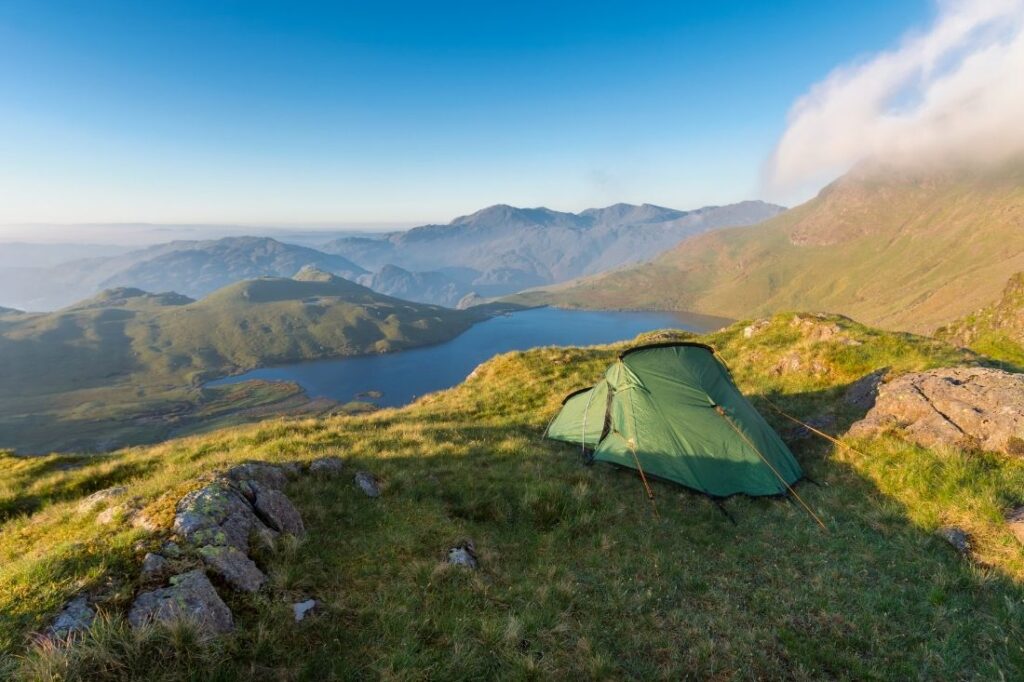
Are you looking for the best wild camping spots in the UK? Then you’ve come to the right place. I genuinely think wild camping is one of my favourite UK adventures. That feeling of going to sleep under the stars and waking up with the misty countryside all around, to me that’s what wild camping is all about.
Wild camping (basically, staying anywhere not in a campsite or caravan park) has been getting more and more popular over the last few years. When you’re completely cut off from everyone else and completely immersed in nature, it’s very easy to understand why. Also, campsite toilets. None of us need that anymore.
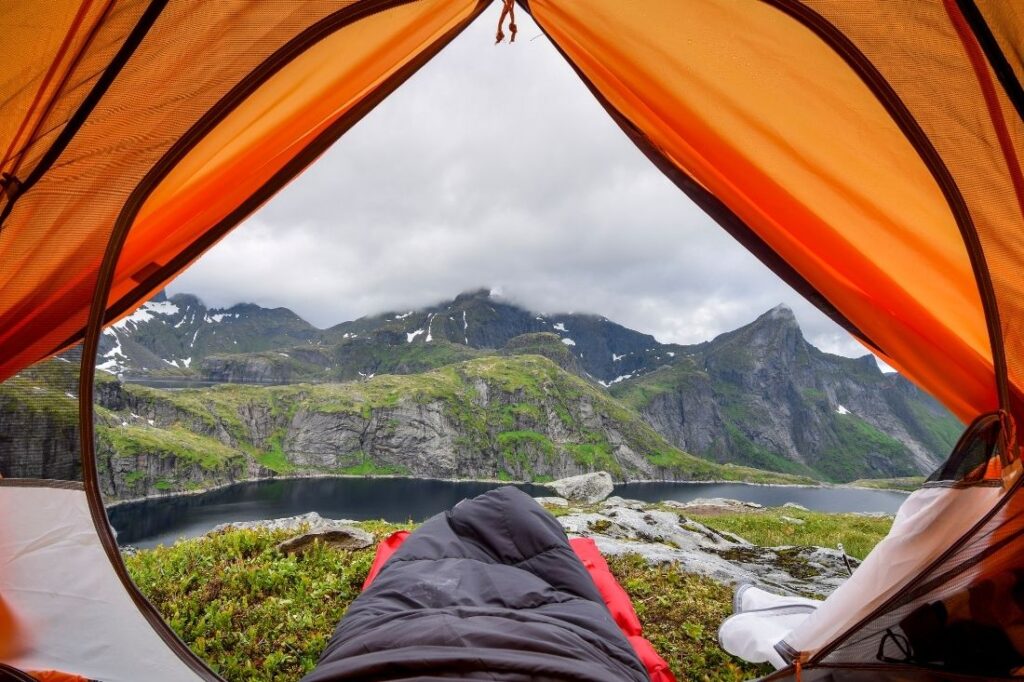
What I love about wild camping in the UK is that sense of freedom it gives you. If you’re looking at getting some headspace, there’s no better way of doing it. Another thing I love about wild camping is you’re completely self-sufficient for a couple of days. It’s just you, nature, and that’s pretty much it. What more could you want?
If you’re looking at planning an adventure anytime soon, wild camping is a great place to start. From Dartmoor to the Brecon Beacons, these are some of the best UK wild camping spots!
Looking for more inspiration? Then check out the best hikes near London. I’ve also got some incredible London adventures for you to do too!
Is wild camping illegal in the UK?
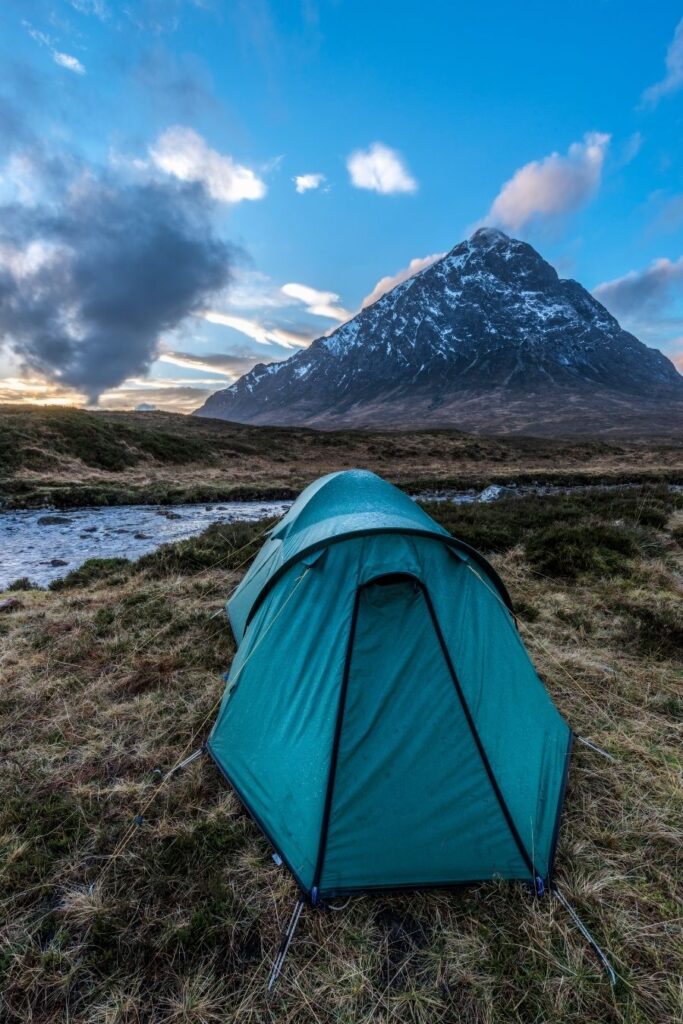
Short answer: it depends where you are, and the rules changed recently. In Scotland, wild camping is legal on most unenclosed land under the Land Reform (Scotland) Act 2003. You don’t need to ask anyone’s permission. What you do need to do is follow the Scottish Outdoor Access Code, which means small tents, small groups, and no more than two or three nights in one spot.
In England, Dartmoor is the exception that everyone talks about, and in 2025 it became a lot more certain. More on that below.
Everywhere else in England, Wales and Northern Ireland, you need the landowner’s permission. That includes the Lake District, Exmoor, the Peak District, Eryri and Bannau Brycheiniog. In practice, responsible camping high on the fells is often tolerated, but tolerated and legal are not the same thing, and it’s worth knowing the difference before you pitch.
Here’s how it breaks down:
| Where | Do you need permission? | The rules |
|---|---|---|
| Scotland (most of it) | No | Scottish Outdoor Access Code. Small tent, small group, two or three nights max |
| Loch Lomond & The Trossachs | Permit needed in some zones | Camping Management Zones, 1 March to 30 September. £4.30 per tent per night |
| Dartmoor | No, on the commons | Backpack camping only, one or two nights, check the official camping map |
| Lake District | Yes, in theory | No designated areas. Camping high on the fells is generally tolerated |
| Exmoor | Yes | Landowner permission required, one night only |
| Bannau Brycheiniog (Brecon Beacons) | Yes | Landowner permission required |
| Eryri (Snowdonia) | Yes | Landowner permission required |
And the rule that matters more than any of the above: leave absolutely no trace you were there. Take every scrap of rubbish home. Don’t light fires. If enough people get this wrong, the rules get tighter for everybody.
There’s one big exception in Scotland
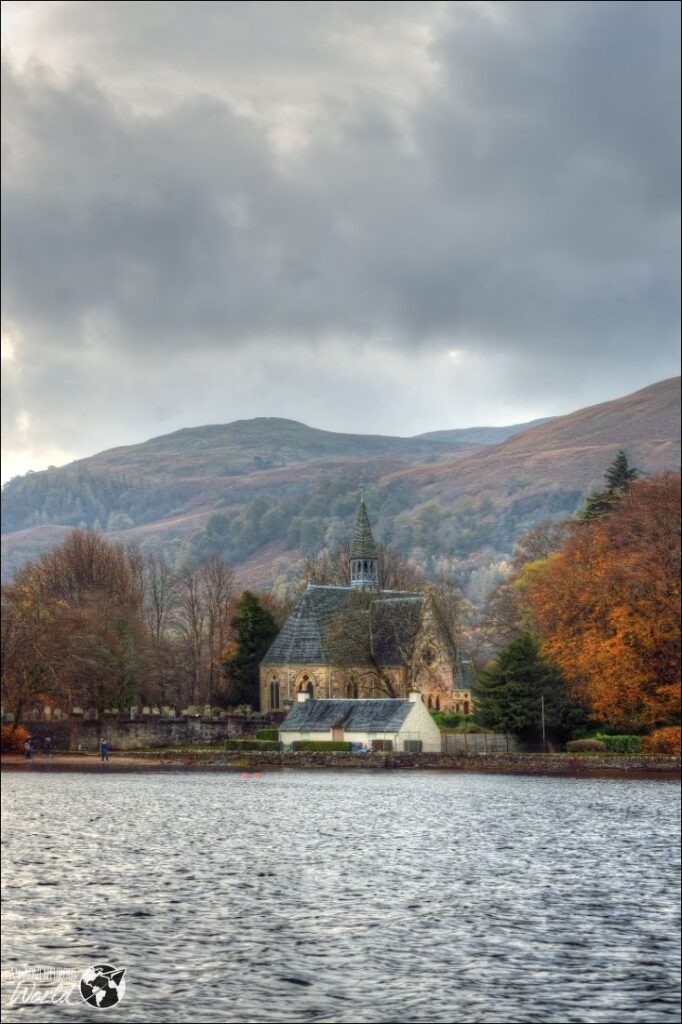
I need to flag this one because it catches people out constantly. Loch Lomond & The Trossachs National Park has Camping Management Zones covering the busiest lochshores. Between 1 March and 30 September you need either a campsite booking or a camping permit to pitch in those zones, and permits cost £4.30 per tent per night. Turn up without one and you can be reported and fined up to £500.
The zones cover less than 4% of the park, so there’s still plenty of the Trossachs where normal access rights apply. And from October through February the byelaws don’t apply at all.
Permits can be booked up to four weeks ahead and summer weekends go quickly, so sort it before you set off. The park is reviewing the whole system at the moment, so check the official site for the current rules rather than taking my word for it.
Isle of Skye
To be honest with you, there are so many wild camping spots in Scotland it’s hard to single one out. I always love the views of Buachaille Etive Mor, but if you’re looking for jaw-dropping beauty, it’s hard to beat the Isle of Skye.
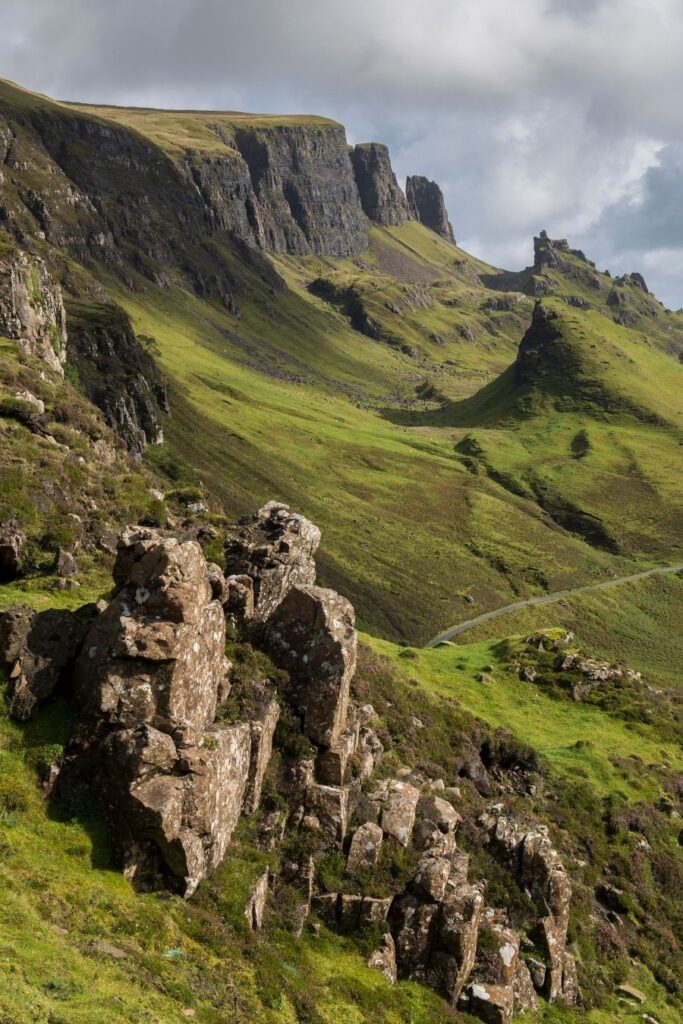
Even though the weather is very changeable at best, if you’re willing to brave the conditions, you’ll be rewarded with some of the best landscapes in the UK. The plateau at Quiraing, one of the most iconic hiking circuits in Scotland, is the best place to make camp.
The Quiraing was formed by an ancient landslip that is still moving, and includes a jagged 37m-high pinnacle known as The Needle. For me, this is the money shot. Just imagine waking up with this view in the morning! One thing to sort before you go. The Quiraing car park has 40 spaces, charges £3 for up to three hours and £6 for up to six, and has a 12-hour maximum stay. That makes leaving the car there overnight a non-starter, and the single-track road either side has restrictions too.
The answer is to walk in properly. Head away from the main circuit, put some distance between you and the car park, and you’ll find flat ground with the whole Trotternish coast in front of you. You’ll also get the place to yourself, which you absolutely will not if you pitch within sight of the road.
Skye has taken a hammering from visitor numbers in recent years and the Quiraing, the Storr and the Fairy Pools are the worst of it. Camp somewhere you’ve earned, not somewhere you parked.
It’s worth noting that getting signal can be notoriously difficult in places like Skye. It’s actually better getting an eSim for the United Kingdom as this often pulls in multiple networks as opposed to just relying on one. Just a little tip for you there.
Dartmoor National Park
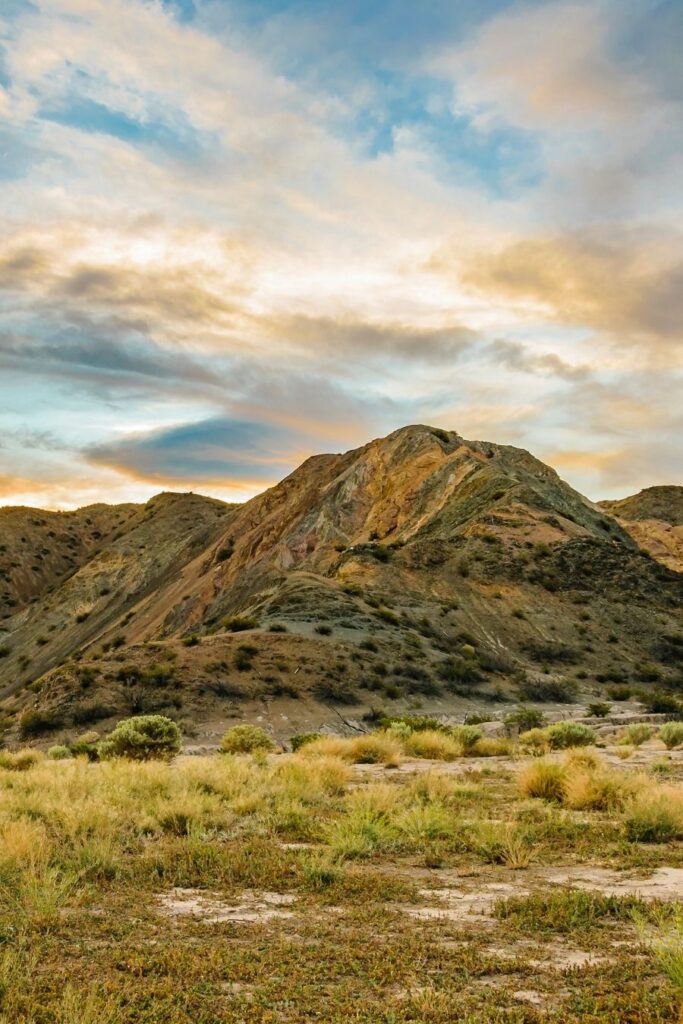
Dartmoor is the only place in England where you have an actual legal right to wild camp, and that right was tested all the way to the top.
In January 2023 a landowner won a High Court ruling that would have let him remove campers from his 4,000-acre estate on the moor. Three thousand people marched across the estate in protest. The Court of Appeal overturned it that July, and in May 2025 the Supreme Court settled it for good, ruling unanimously that the right to “open-air recreation” in the Dartmoor Commons Act 1985 does include camping.
So you can pitch up on the Dartmoor commons without asking anyone. What you can’t do is treat it like a campsite. They call it backpack camping here, and the clue is in the name. Everything you need goes in your rucksack, you carry it in on foot, and you stay one or two nights maximum. No campervans, no motorhomes, no big tents, no large groups, no fires.
Check the official Dartmoor National Park camping map before you go, because backpack camping is permitted on some commons and not others, and the boundaries aren’t obvious on the ground.
Exmoor National Park
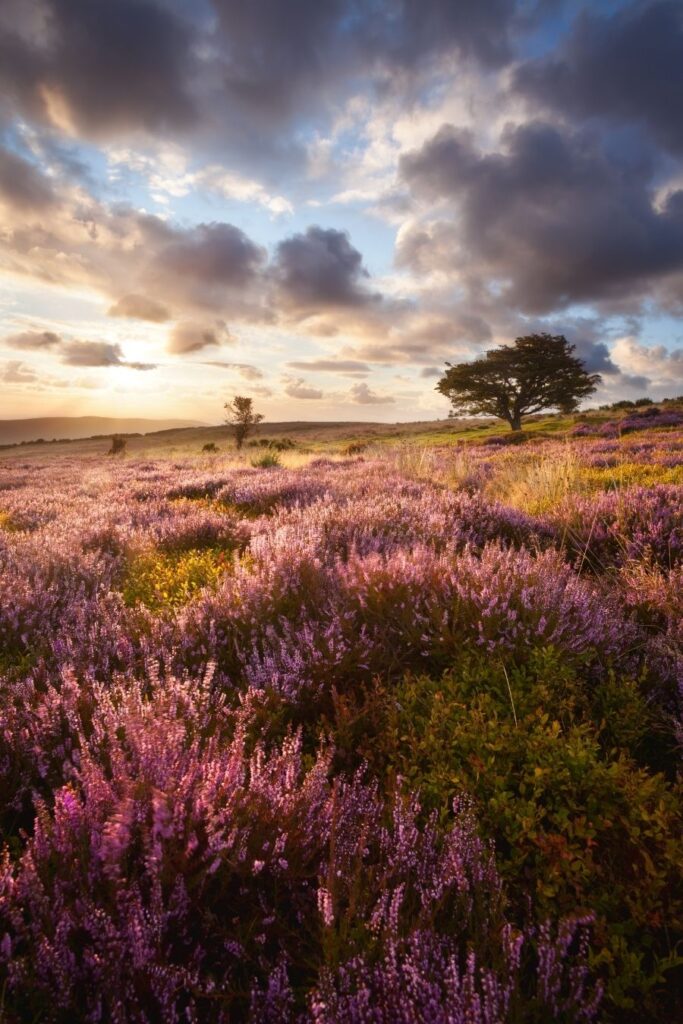
When it comes to wild camping in England, Exmoor National Park is one of the most visited places. Spanning over 267 square miles of captivating landscapes, you’re definitely not short of options of wild camping spots in Exmoor.
One of the best things about Exmoor is the sky. It became Europe’s first International Dark Sky Reserve back in 2011, and on a clear night you’ll see the Milky Way with the naked eye without trying. The park centres even hire out telescopes if you want to make a night of it.
For camping though, Exmoor needs a bit more planning than the moors further west. Almost all of the land here is privately owned, and the national park is clear that you need landowner permission before you pitch, however remote the spot looks. I’d be careful with spots you see recommended on social media too, because the park has specifically warned that a lot of them don’t have the landowner’s consent. Ask first, stay one night only, and move on.
One more, and it’s important. Moorland fires spread fast here, and in summer they can wipe out ground nesting birds. A disposable BBQ, a cigarette stub or even a glass bottle left in the sun is enough to start one. No fires, no BBQs, no exceptions.
When wild camping in Exmoor National Park, it’s really important getting the landowners permission beforehand and you should stay for one night only.
The Lake District
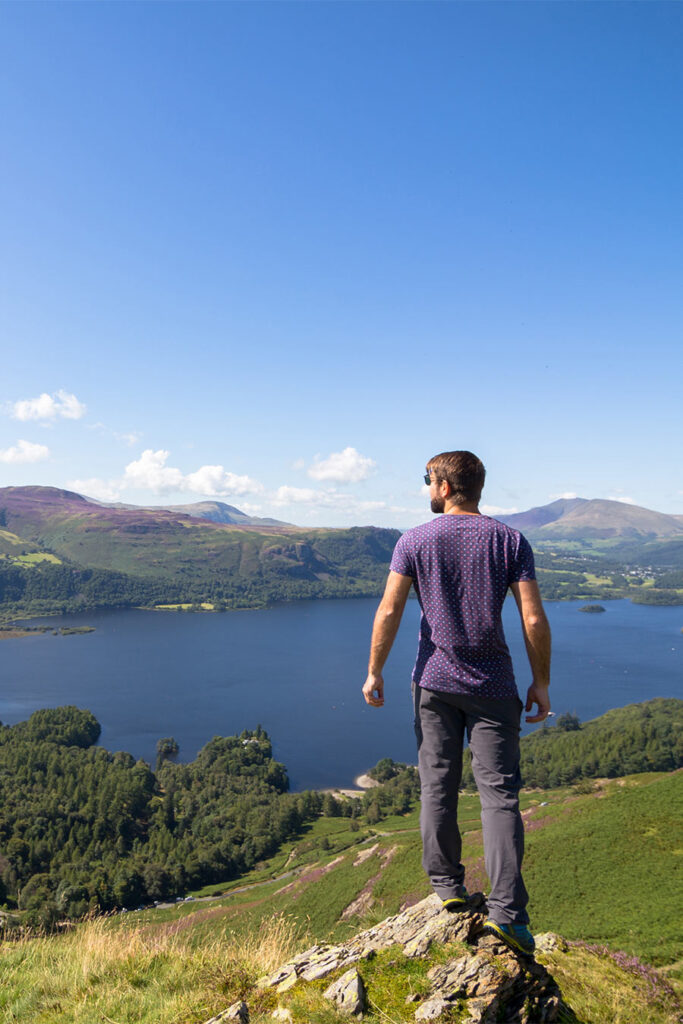
I absolutely adore hiking in the Lake District. Short hikes with stunning views like the Catbells Hike is what the Lake District is so famous for. Even though there aren’t any designated wild camping areas in the Lake District, it’s considered fair game as long as you pitch your camp high up on the fells out the way of people.
One of the things to consider when visiting the Lake District is it’s super busy during the summer. That can sometimes trickle down to wild camping spots too. All of the popular places during the day are more likely to have people camping on them at night.
That’s why it’s camping somewhere like Ennerdale Valley in the Western fells is a good idea. Here you can camp in the forest and it’s much quieter. Codale Tarn is also a tricky place to get to, so less likely to have people.
There are so many amazing wild camping locations in the Lake District though. Like anywhere else in the UK, if you decided to camp here, make sure you leave absolutely no trace you’ve been there.
The Brecon Beacons
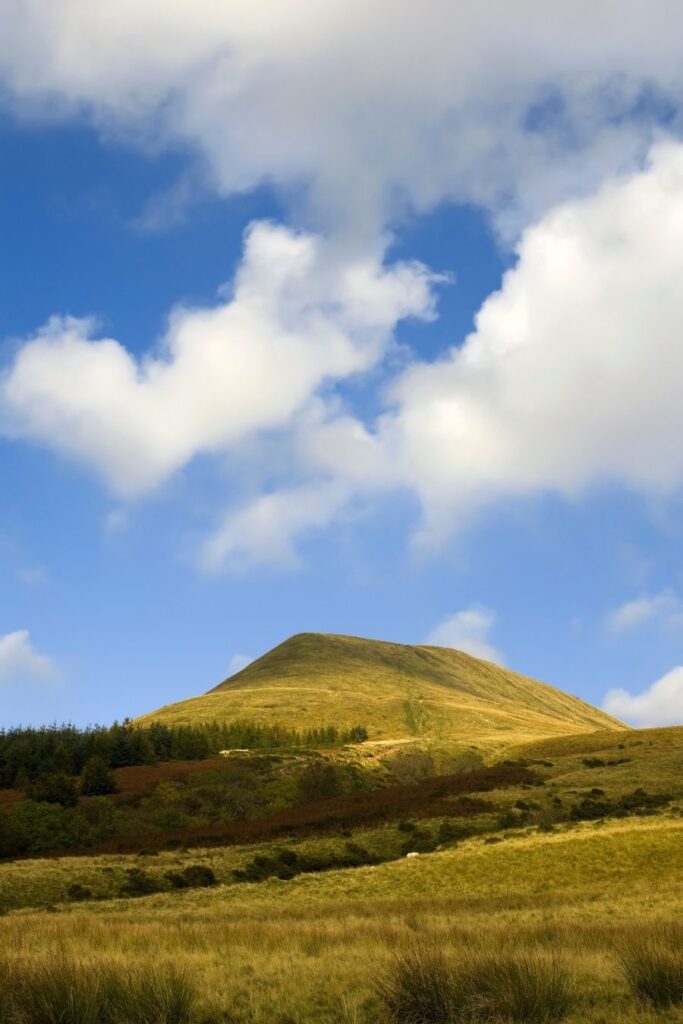
Personally, I think Wales is often overlooked when it comes to UK adventures, which is crazy because the place is unbelievably beautiful. I always try to visit Wales for a big hiking trip at least once a year, and every time I visit, I fall in love with the place that little bit more.
When it comes to wild camping in Wales, if you’re looking for somewhere that’s a lot quieter than Snowdonia but still with some gorgeous views, then the Brecon Beacons is the place for you. In the Brecon Beacons, the Black Mountains offer some of the wildest terrain. The valley with the mountains on either side look like they go on forever.
Hike up the 713-metre-high peak Rhos Dirion for a summit sleep, or pitch up in the hollows around Mynydd Bychan for a little more shelter. Pitching a tent on the mountain ridge offers the best views, but if the weather is bad then the valley floor is just as good.
The Fan y Big circular walk from Blaen-y-Glyn is another popular hiking route where you can go wild camping. Just as a heads up though, a farmer might swing by in the morning asking for a little £££ for staying on the land for the night.
If you’re in Wales and you love your adventure activities, then I’d really recommend Go Below Wales. This is an adventure in an abandoned mine and it is awesome.
Glen Etive
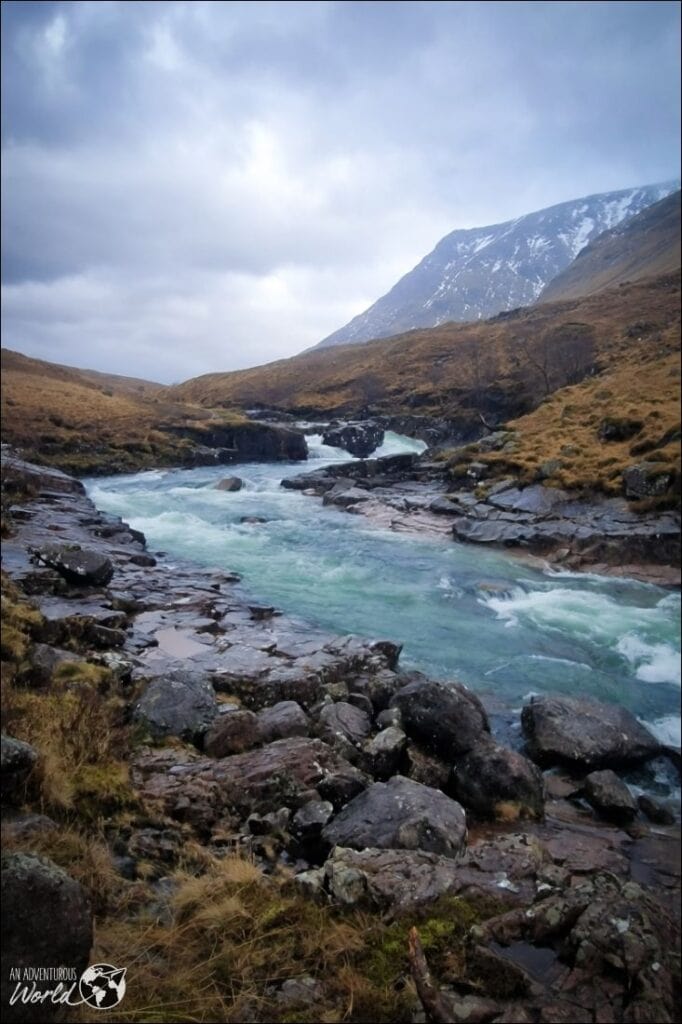
One of my favourite wild camping spots in the UK has to be Glen Etive in Scotland. This place feels properly remote, with towering mountains, winding rivers and endless Highland scenery stretching out in every direction. It’s one of those locations where you can pitch up beside the water, cook dinner as the light fades, and feel completely cut off from the rest of the world.
What I love most about camping here is the sense of solitude – it really feels like pure wilderness, especially if you wake up to the mist rolling through the valley in the morning.
Cadair Idris
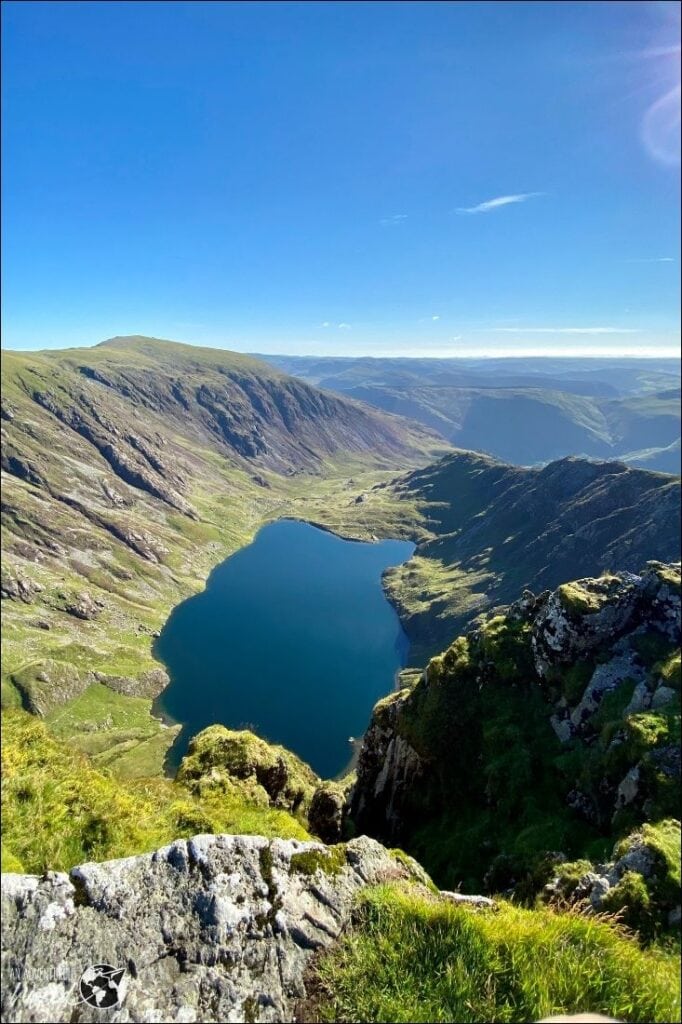
For mountain views that are hard to beat, Cadair Idris in Wales is another amazing wild camping spot. I love that it gives you all the drama of Eryri, but without quite the same crowds as Yr Wyddfa. The hike up is steep enough to feel like an adventure, and once you find a sheltered pitch high above the lakes, the views are just unreal.
Sunset up here is something special, with the mountains glowing gold before the stars come out. If you’re after that classic summit-camp feeling, this is one of the best places in the UK to do it.
Where are some of your favourite UK wild camping spots? You can let me know in the comments below!
Like this blog post? Then Pin it for the future!