
This post contains product affiliate links. These are mainly on items/hotels/tours that I personally endorse & love. I may earn a small commission if you make a purchase, but at no extra cost to you.
Thinking about visiting Greenland? Then read my honest overview of what it’s like travelling here and why I think it’s one of the world’s most beautiful places.
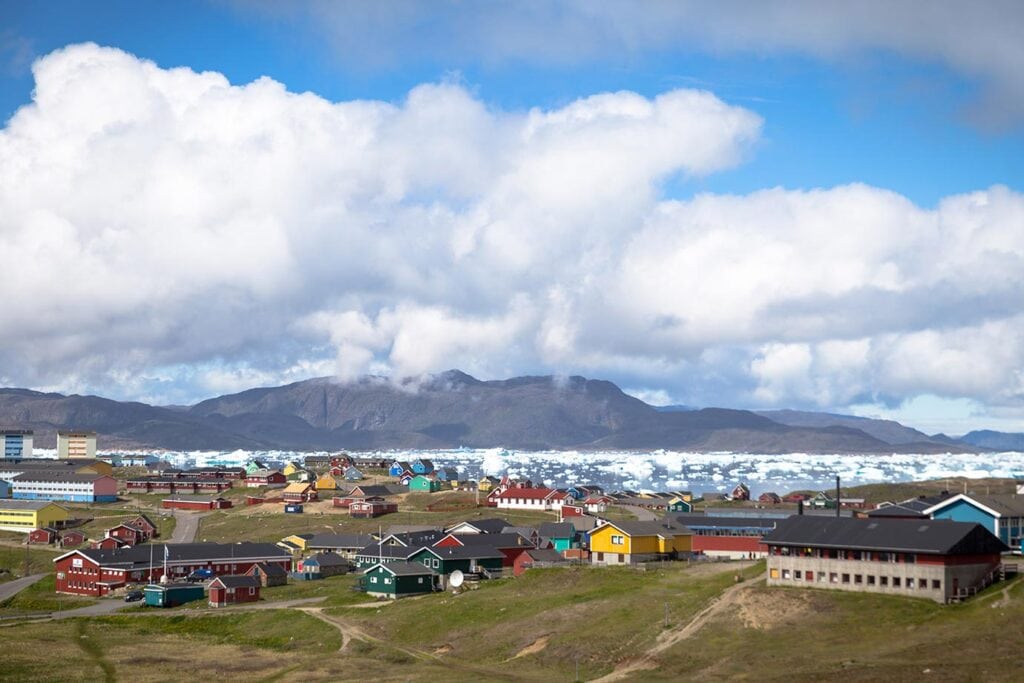
You may have seen Greenland has been in the news quite a bit recently. Someone wants to buy it; 57,000 people don’t want to sell it – it’s all very unusual and confusing. I’m not going to get political, that’s not my job, but I’m guessing you’re here to learn more about this fascinating country.
Let me start by saying I am no means an expert on Greenland at all. Oh, how I wish I was. I travelled around the country in 2016 and completely fell in love with the place. I have been writing about it ever since and saying how I genuinely think it’s up there as one of the most beautiful countries in the world. As someone who has been to 90+ countries, I hope that has a little weight. If you’ve ever been to Iceland, it’s like that, but on crack.
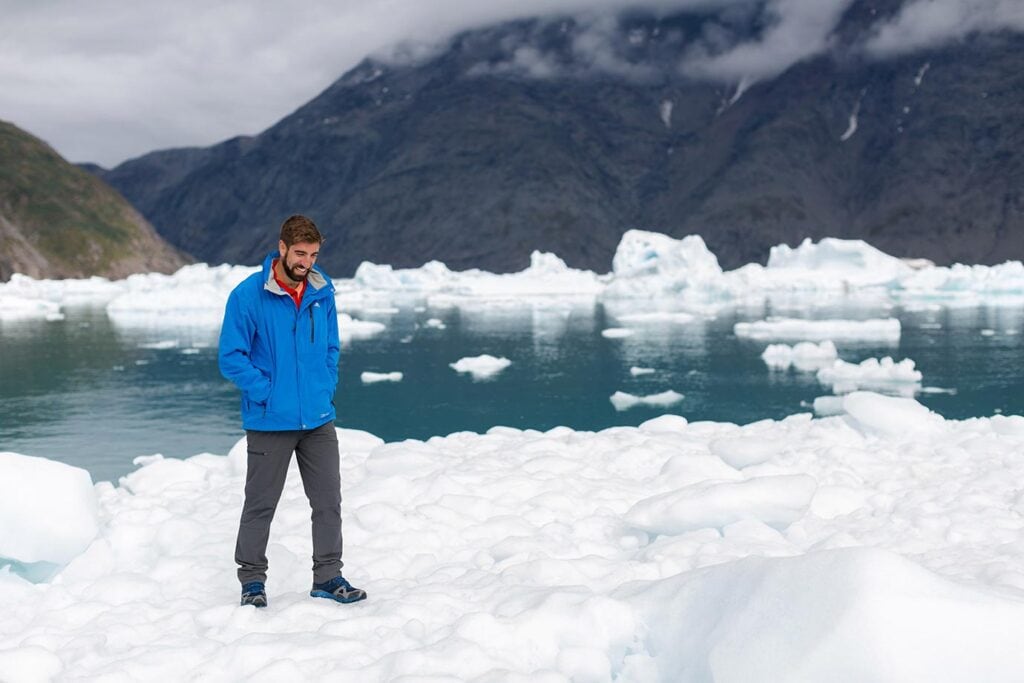
The landscapes are so vast and raw that you can’t help but feel tiny in comparison. It doesn’t matter if you’re standing at the edge of a glacier, sailing through fjords flowing waterfalls, or watching the northern lights dance across the sky, you just feel small and inconsequential. The combination of towering icebergs, dramatic mountains, and endless stretches of untouched wilderness makes it like nowhere else I’ve been.
What I loved most though was how every day felt like a true adventure, and how the local culture gave such a rich sense of connection to the land. Greenland isn’t just a place you visit – it’s a place that stays with you long after you’ve left.
Hopefully this article should give you a good overview of Greenland and whether it’s worth visiting.
(Spoiler: Absolutely)
Contents:
What is the population of Greenland?
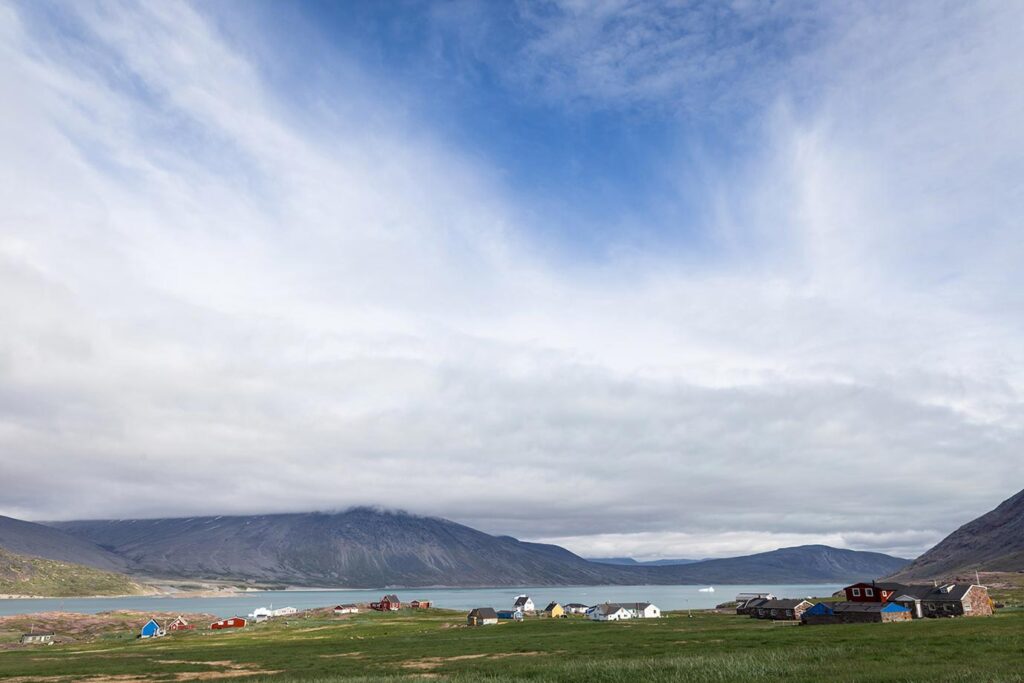
The population of Greenland is small. Very very small. The last census put the population of Greenland at 57,000 people, a level that hasn’t changed since 1997. So yeah, considering the size of the country, the population is tiny. In fact, Greenland is the least densely populated country in the world – a fun fact for you there!
Most people live along the west coast, where the climate is slightly milder and transport links are better. Nuuk, the capital, is home to around a third of the population (17,000 people), while many other communities are tiny settlements of just a few hundred people. The smallest community I visited was Igaliku of just 25 people. Qassimiut is even smaller with just 14 people. As I said, Greenland is a very small country population wise.
Once you leave the towns, it often feels like you have the country completely to yourself. That sense of space is one of Greenland’s most powerful and unforgettable qualities.
Who owns Greenland? What is its sovereignty?
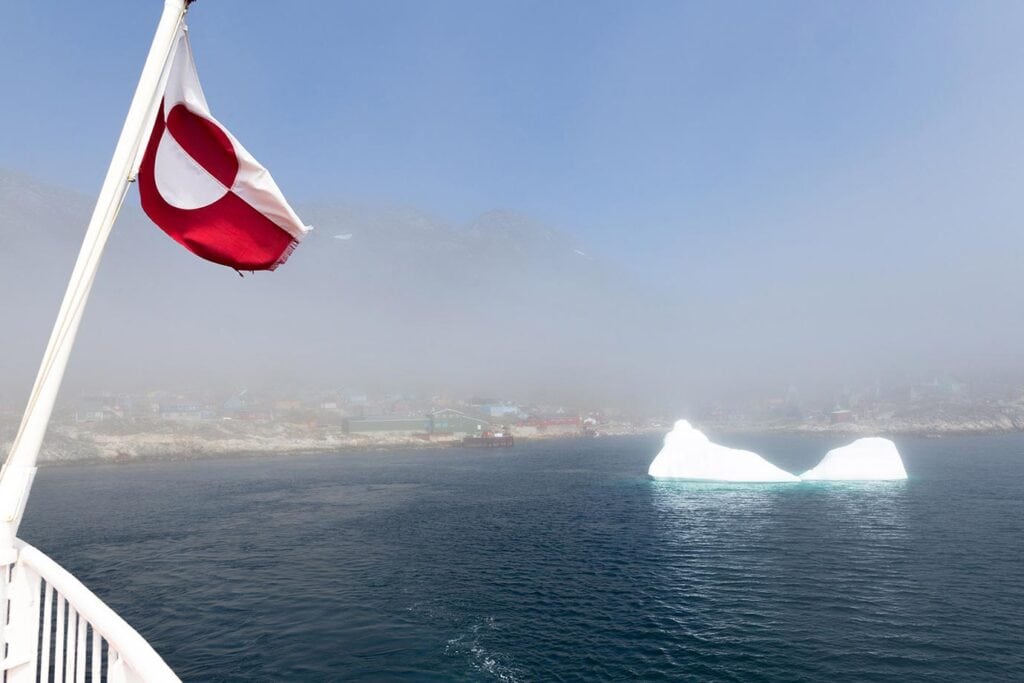
The big question at the moment. Greenland is an autonomous territory within the Kingdom of Denmark, but it’s very much its own place. It has its own parliament and government, and it controls most domestic matters, including education, healthcare, and natural resources. Denmark still handles things like defence and foreign policy, but Greenland has been steadily gaining more autonomy over the years.
Many Greenlanders identify first and foremost as Greenlandic, not Danish, and there’s a strong sense of cultural pride and independence. While it isn’t officially an independent country, Greenland’s identity, history, and future are very much its own.
In 1721, a Danish-Norwegian expedition led by the missionary Hans Egede arrived in Greenland. A few years later they founded a settlement that would eventually become Nuuk. So it’s safe to say Denmark has been invested in Greenland for well over 250 years.
What language do they speak in Greenland?
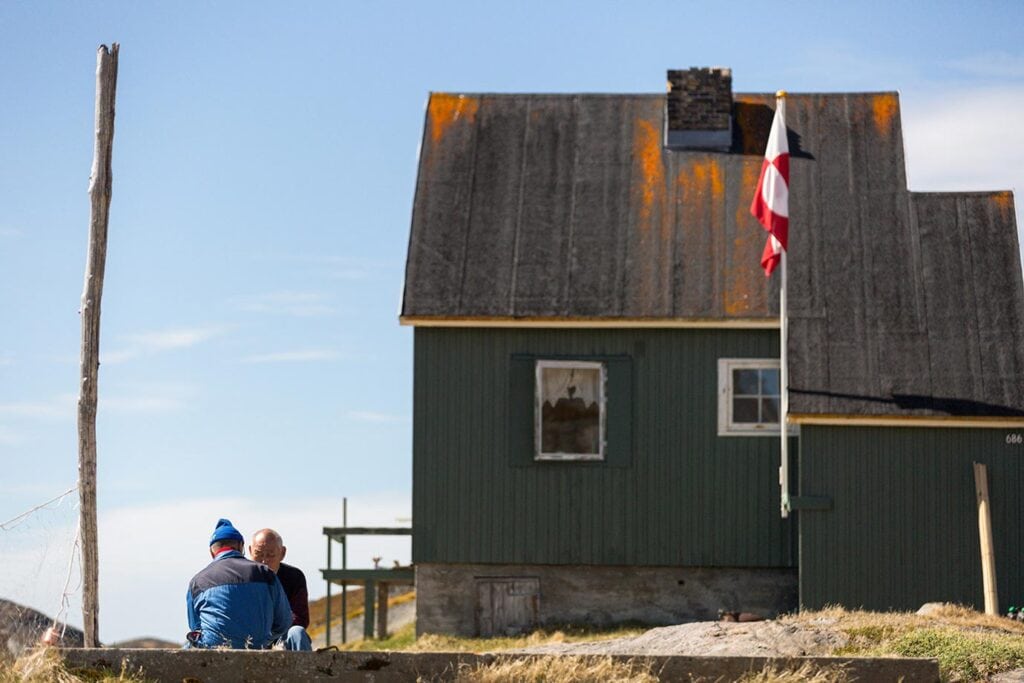
The main language spoken in Greenland is Greenlandic (Kalaallisut), an Inuit language that sounds completely different to most European languages. It’s a very soft, flowing, almost rhythmic sound when spoken. I found it sounded like all the words rolled into each other which was fascinating. Danish is also widely spoken, particularly among older generations and in official settings.
As a visitor, you’ll be pleased to know that English is commonly spoken, especially in towns, hotels, restaurants, and tour companies. Most people I chatted to spoke very good English, so getting around wasn’t a problem at all.
How do people travel around Greenland?
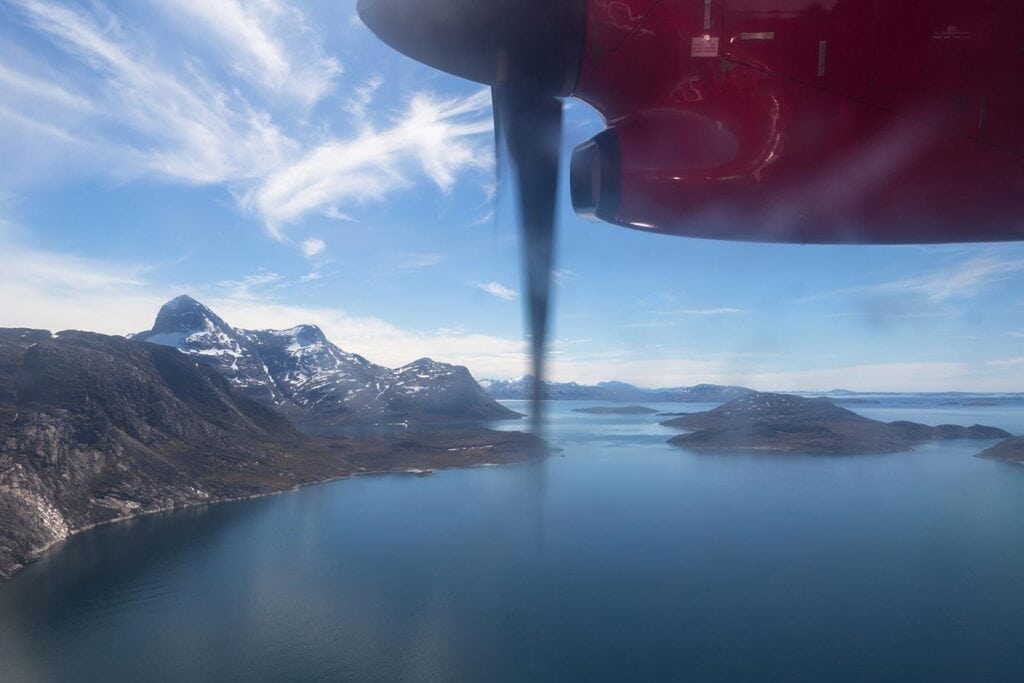
As you’d expect being a country that is largely ice and snow, getting around Greenland can be interesting. There are about 150kms of roads in the entire country, of which only 60kms are paved for driving. There are no roads connecting towns, so you can’t simply hire a car and drive around.
Instead, people get around by domestic flights, boats, ferries, helicopters, snowmobiles, and dog sleds (depending on the season of course). In summer, boats are a lifeline between communities, while winter travel relies more on air routes and sleds.
I loved the number of boats and water taxis we took when travelling around Greenland. Every journey feels special, whether you’re flying over glaciers or sailing through ice-filled fjords. Also, you’ve got lots of opportunities for whale watching when catching boats from place to place – it just adds to the adventure!
What do the locals eat?
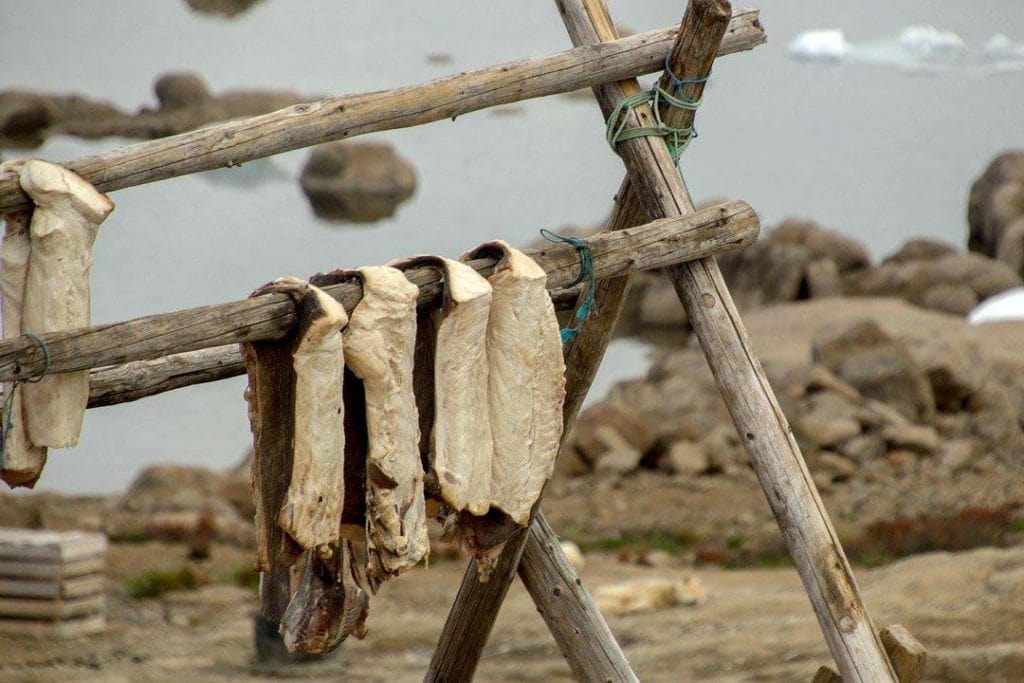
One of the most popular things to eat in Greenland is seal. This is something that the people here have been eating for thousands of years, and it’s one of the main basic ingredients in Inuit cooking.
In fact, the national dish of Greenland is Suaasat. This is a thick broth often made of seal meat which also has barley and onions through it. One way of cooking it is with rice instead of barley, but it’s a very filling dish supposed to keep you going for hours.
I also ate some grilled seal while I was here – the taste definitely takes some getting used to! It’s very musty (if that’s the way of describing it), but I can see why Greenlandics love it.
Traditional dishes include fish, seal, reindeer, musk ox, and sometimes whale, all prepared in ways that reflect centuries of Arctic living.
What wildlife can you see in Greenland?
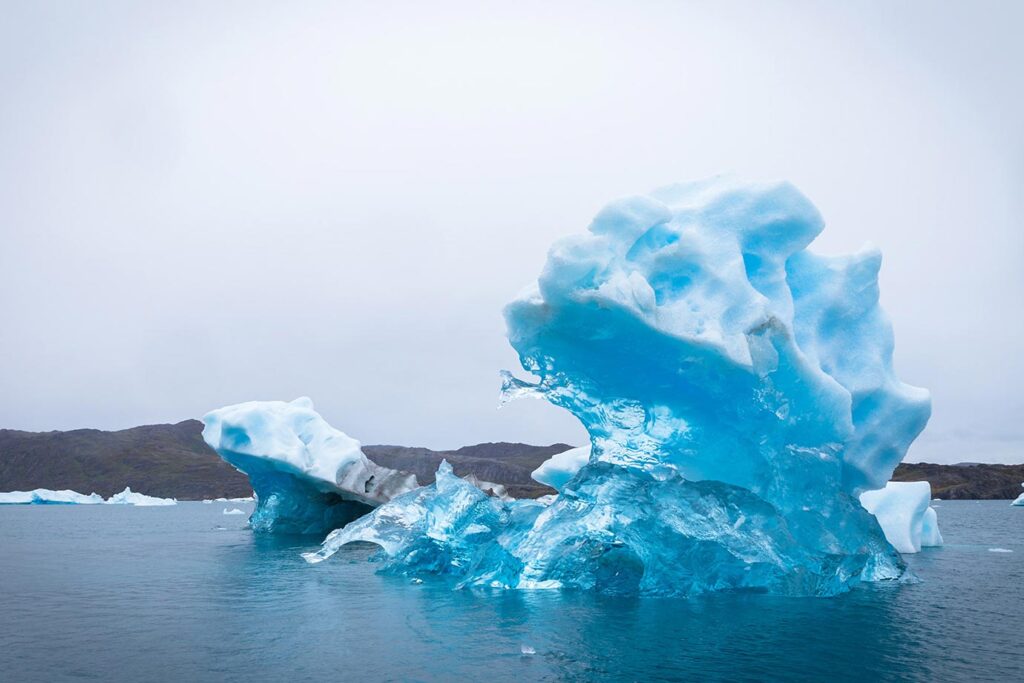
You might not think it, but Greenland is a dream destination for wildlife lovers. One of the biggest highlights is whale watching, with humpback, minke, fin, and even blue whales migrating along the coast during summer. I saw a number of minke whales when travelling around by boat – they really are a common sighting out here.
Seals are commonly seen lounging on ice floes or popping their heads above the water. Polar bears do live in Greenland, but they’re mostly found in very remote northern and eastern regions.
On land, you might spot reindeer, musk oxen, Arctic foxes, and a wide variety of seabirds. Musk ox are a bit like bison, these big, lumbering animals. They’re also provide one of the more commonly found meat in Greenland.
What is the best time to visit Greenland?
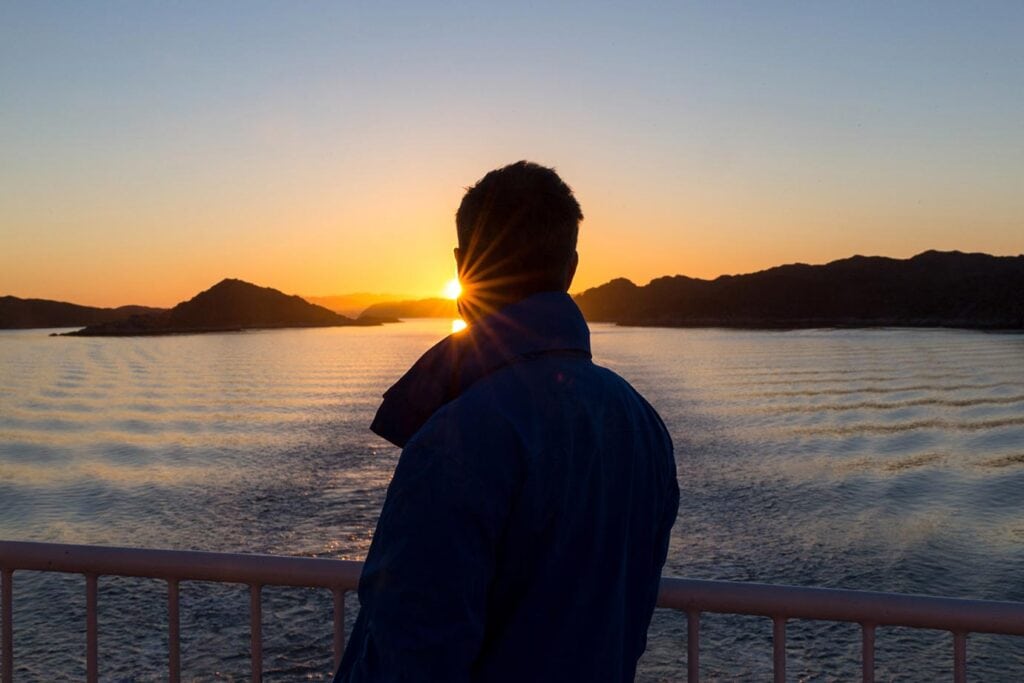
The best time to visit Greenland really depends on what kind of experience you’re looking for. Summer (June to August) is the most popular season, with milder temperatures, long daylight hours with the midnight sun, and access to boat trips, hiking, and whale watching. I visited in June, and it was a random heatwave where temperatures were in the 20s (oC). Saying that, it did still get cold in the evenings, so summer isn’t hot hot. You definitely need to pack lots of layers.
Winter (October to March) is colder and darker, but it’s perfect for dog sledding, snowmobiling, and northern lights hunting. One thing about travelling in winter is there’s hardly any daylight. You’re only looking at a few hours a day. If you’re down south, you might get 6 hours of sunlight, but in the north that can halve to just 3 hours a day.
When can you see the Northern Lights in Greenland?
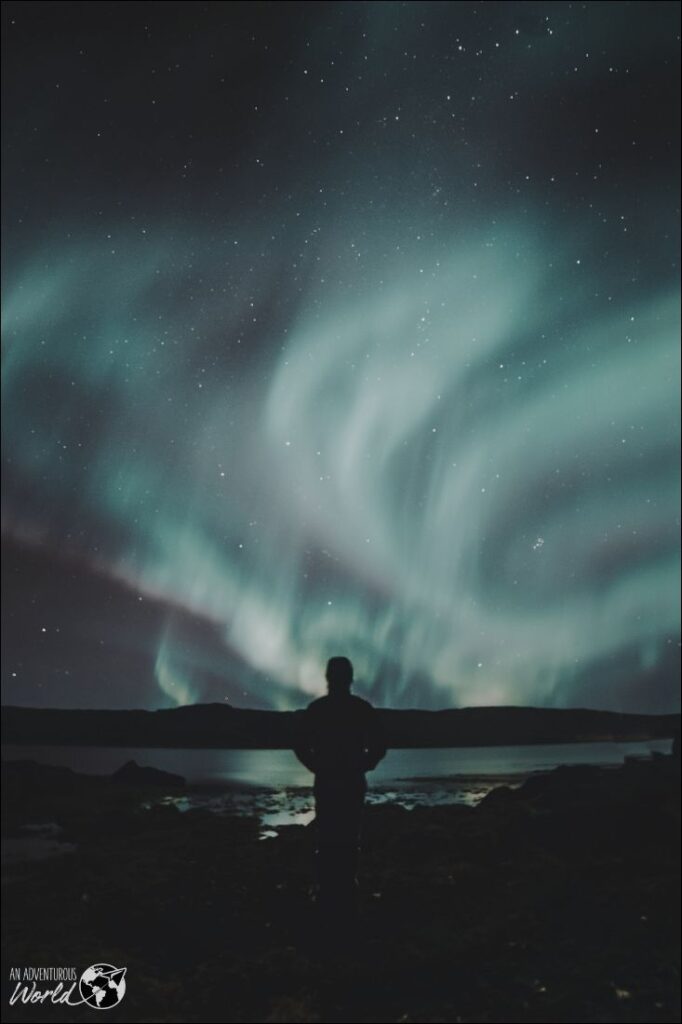
As you’d expect being that far north and with that much darkness, you can see the Northern Lights from late September through to early April. One of the benefits of seeing Northern Lights in Greenland is there’s hardly any air pollution here. Seeing the lights dance above snow-covered landscapes, frozen fjords, or towering icebergs is a genuinely unforgettable experience.
Winter offers the longest viewing window, but autumn can also be a fantastic time, with slightly milder temperatures and fewer crowds. Patience and clear skies are key, but when they appear, it’s pure magic.
Can you see the midnight sun in Greenland?
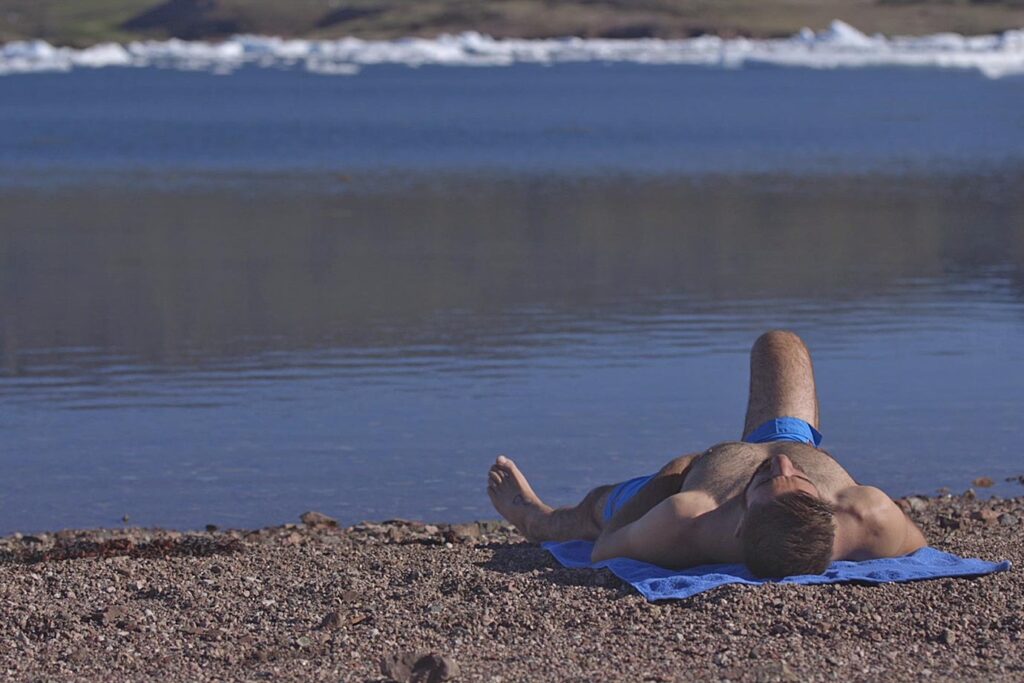
Yes, and it’s one of the most surreal experiences I had in Greenland. I even went sunbathing at midnight as a joke. It’s hard to get your head around the fact that the sun just doesn’t set. I found all that daylight really energising – I just didn’t want to sleep when the sun was out, but I still had the energy to stay up late. It completely messes with your sense of time, but in the best possible way.
In northern Greenland, the midnight sun lasts from late May to late July, while even southern regions enjoy incredibly long daylight hours. This means you can hike, kayak, or explore towns late into the night under a glowing sky.
What are the best things to do in Greenland?
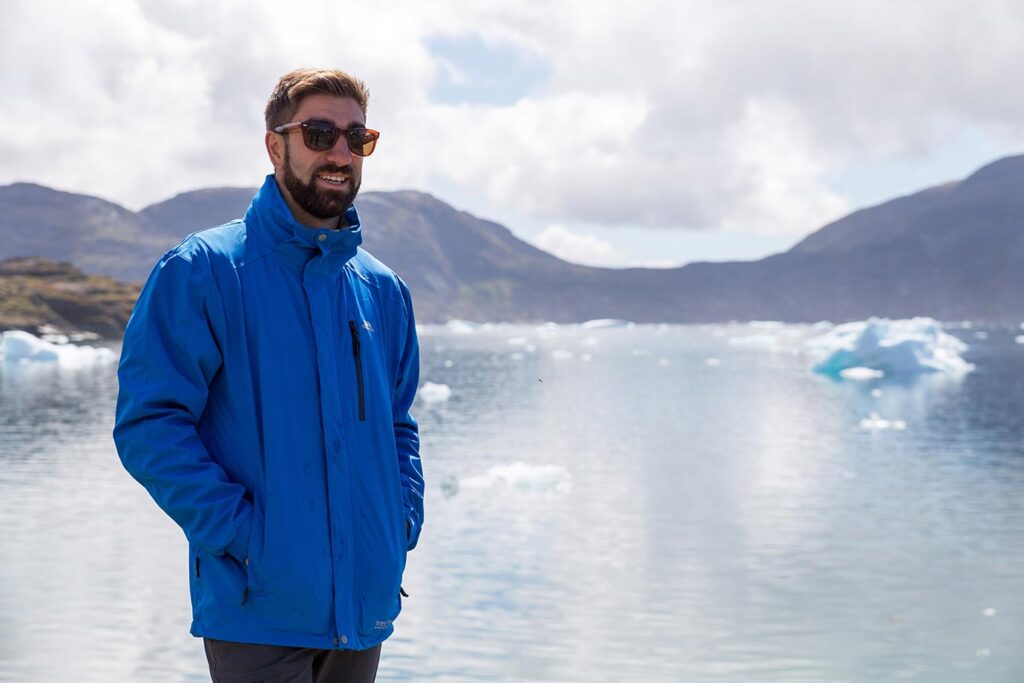
Here is my stock answer. Greenland isn’t about ticking off attractions – it’s about immersing yourself in the landscape and enjoying the beauty of where you are.
Saying that, I have written a blog post all about the best things to do in Greenland and the best places to visit in Greenland, so check them out if you’re looking for a more detailed answer.
Is Greenland worth visiting?
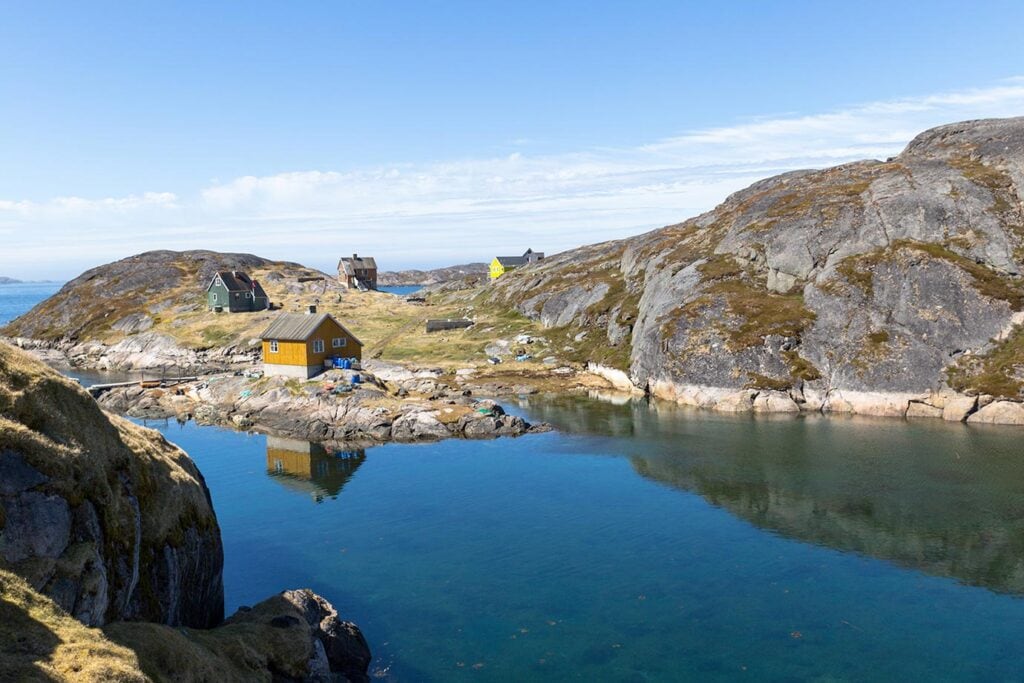
Yes, absolutely. I can’t say how much I love this country enough. Hopefully I’ve shown you how unique and fascinating this country is, and I really hope you get to experience it for yourself one day.
If you have any questions about what it’s like travelling around Greenland, or if you’re planning your own trip, feel free to comment in the box below and I’ll get back to you.